
The Japanese learning blog
Useful methods. Clear examples. A little more Japanese you can use.
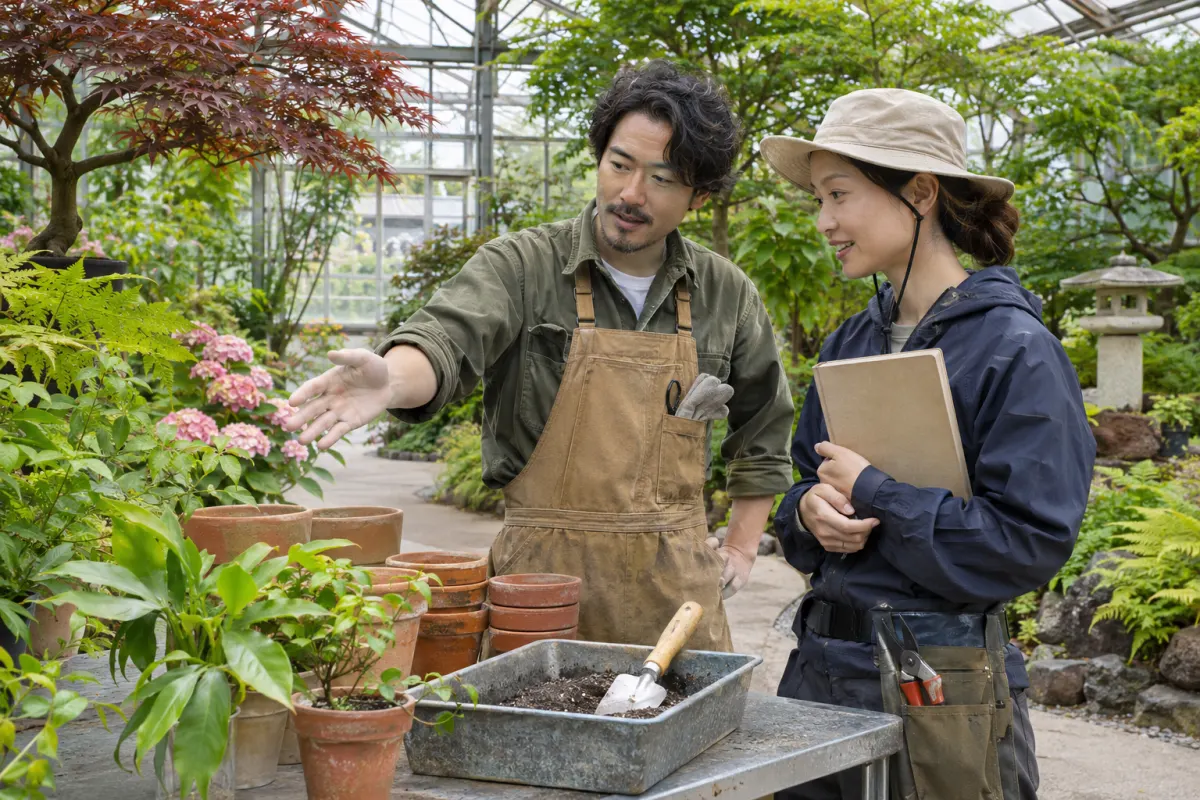
Japanese dates: Is it the fourth or the eighth?
A fictional gardening plan helps you connect a day reading with the right activity and month.
Read the article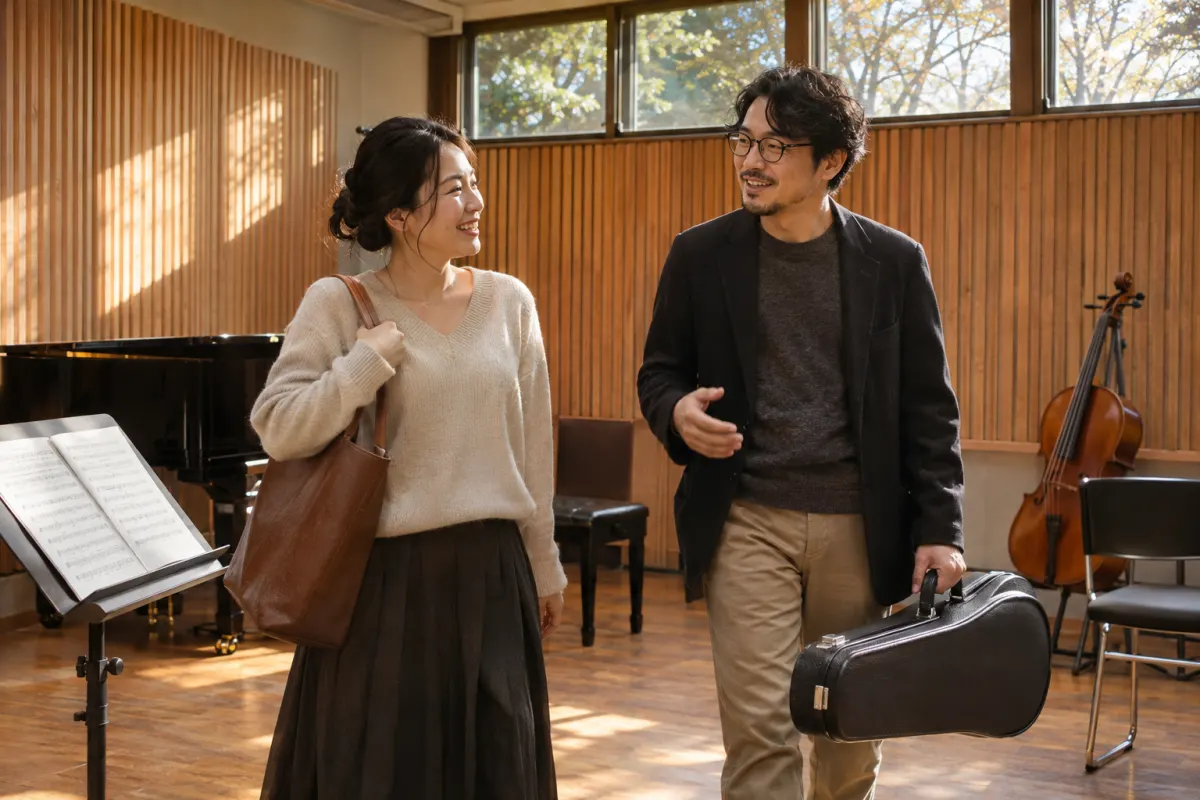
Why telling time in Japanese needs a clear hour
A fictional rehearsal plan helps you connect an hour, the part of the day and the event it belongs to.
Read the article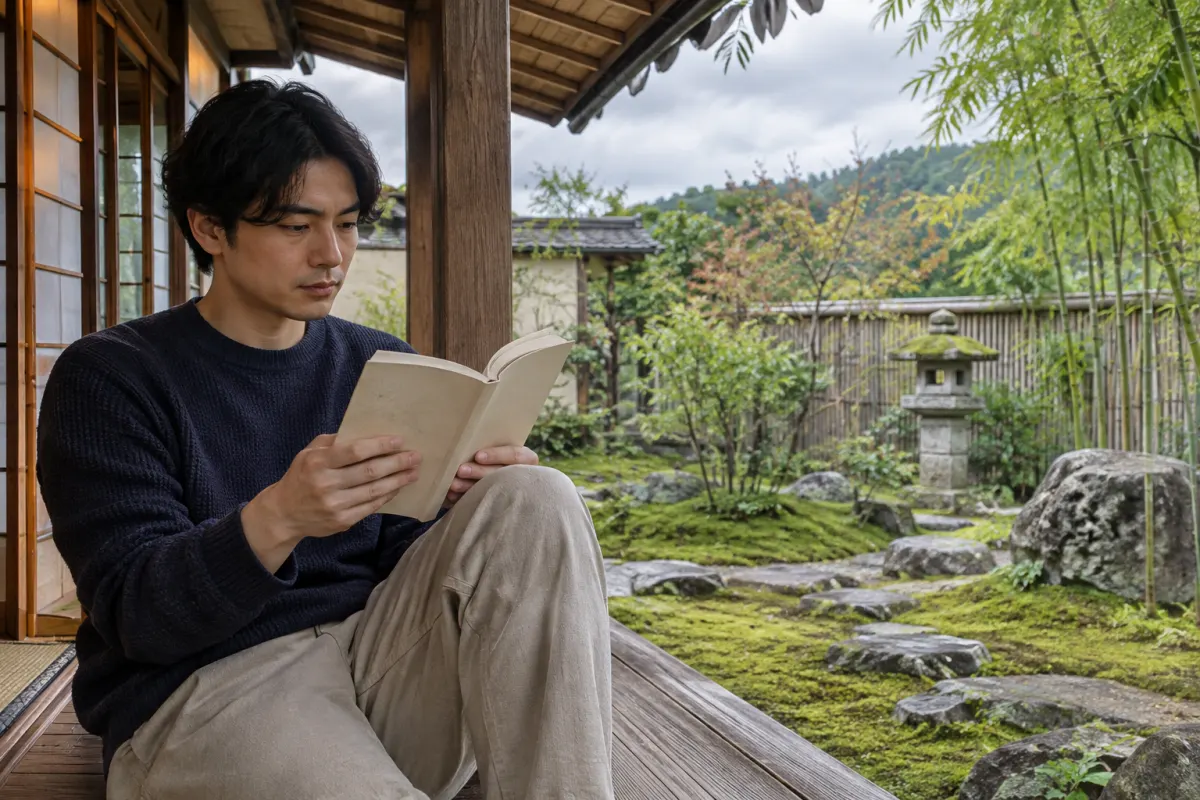
Ni and de for objects and activities
A garden reading room helps you connect a place with the information a sentence actually gives.
Read the article
Find the right level with Japanese floor numbers
Locate reception in a fictional arts centre, then ask how to get to the correct level.
Read the article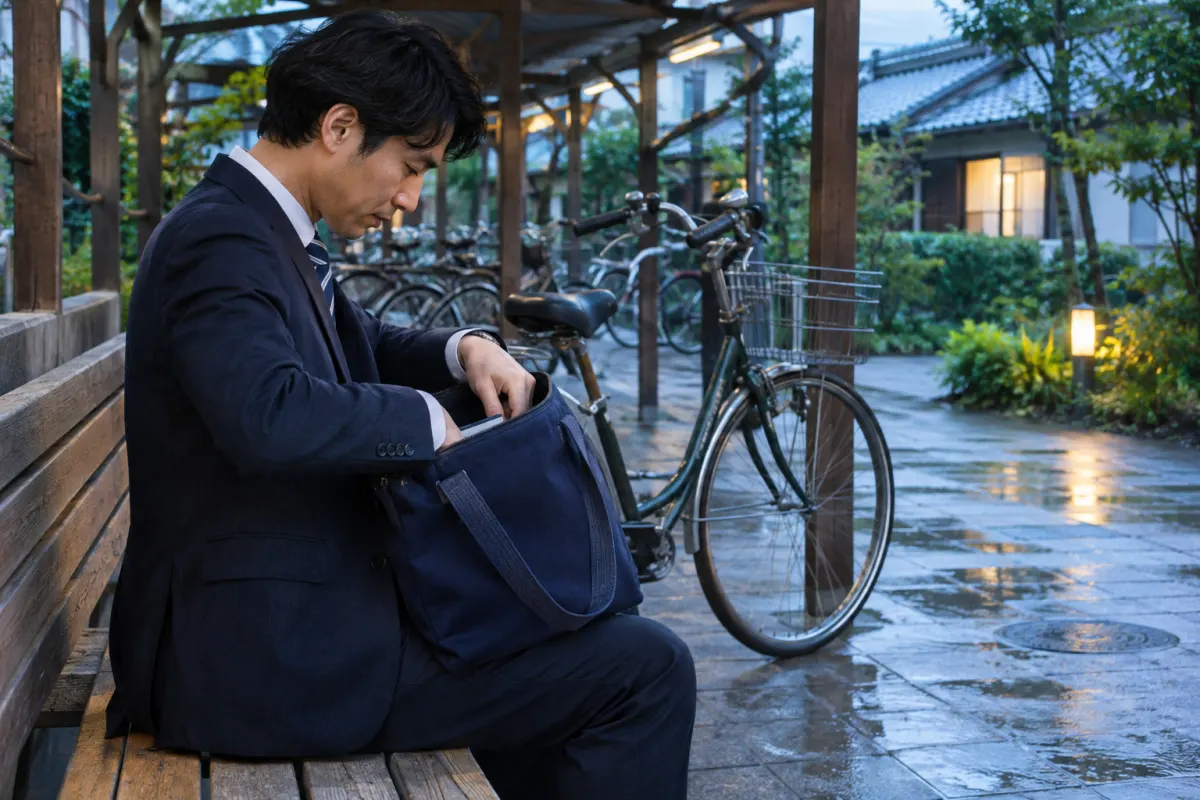
You ni suru: Make a point of checking
A bag check before leaving helps separate a maintained effort from a change you have actually observed.
Read the article
Ta bakari: How recent is recent?
A move, a delivery and a meal show how context changes what counts as recent.
Read the article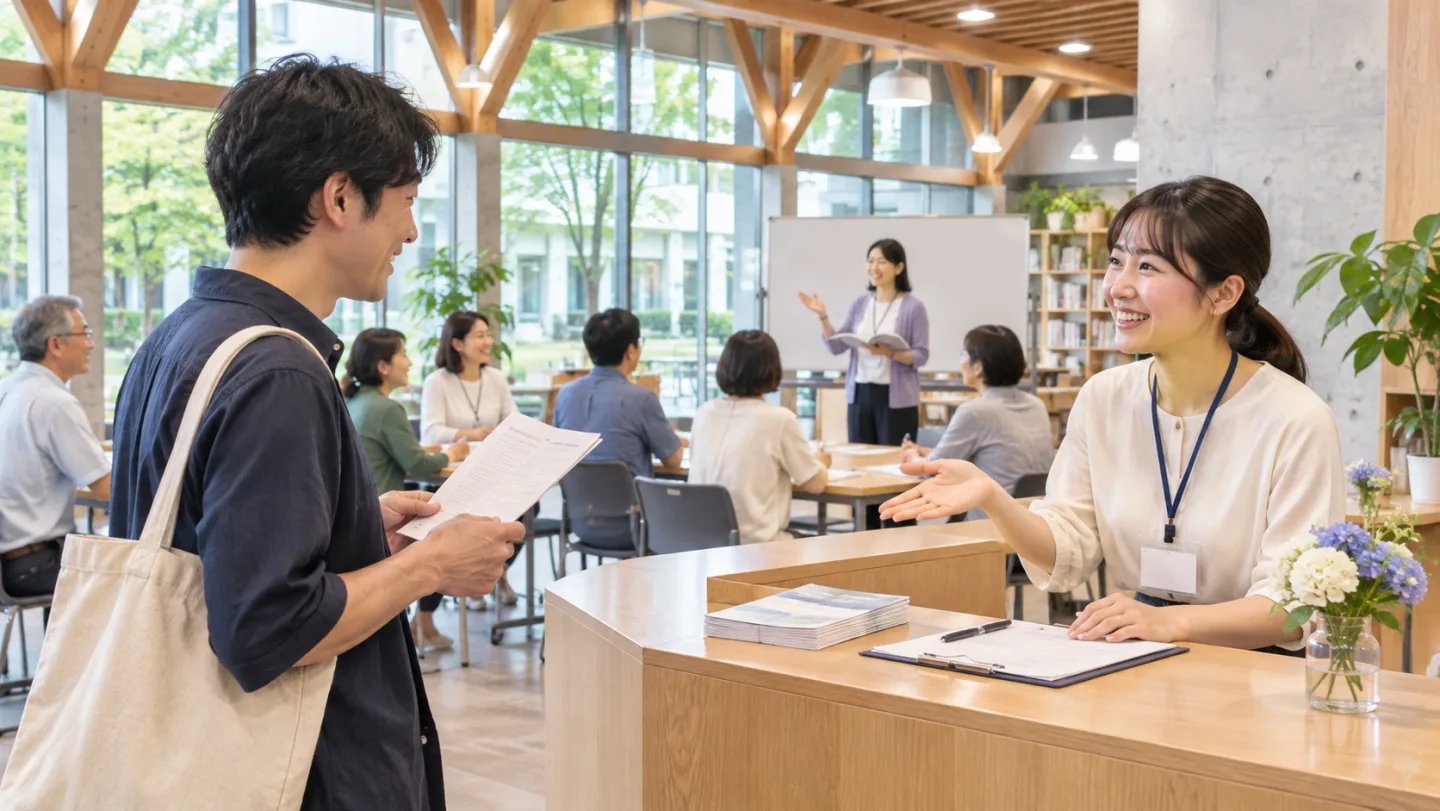
Nakutemo ii: When a step is optional
A workshop check-in helps you tell the difference between permission to skip a step and an instruction to avoid it.
Read the article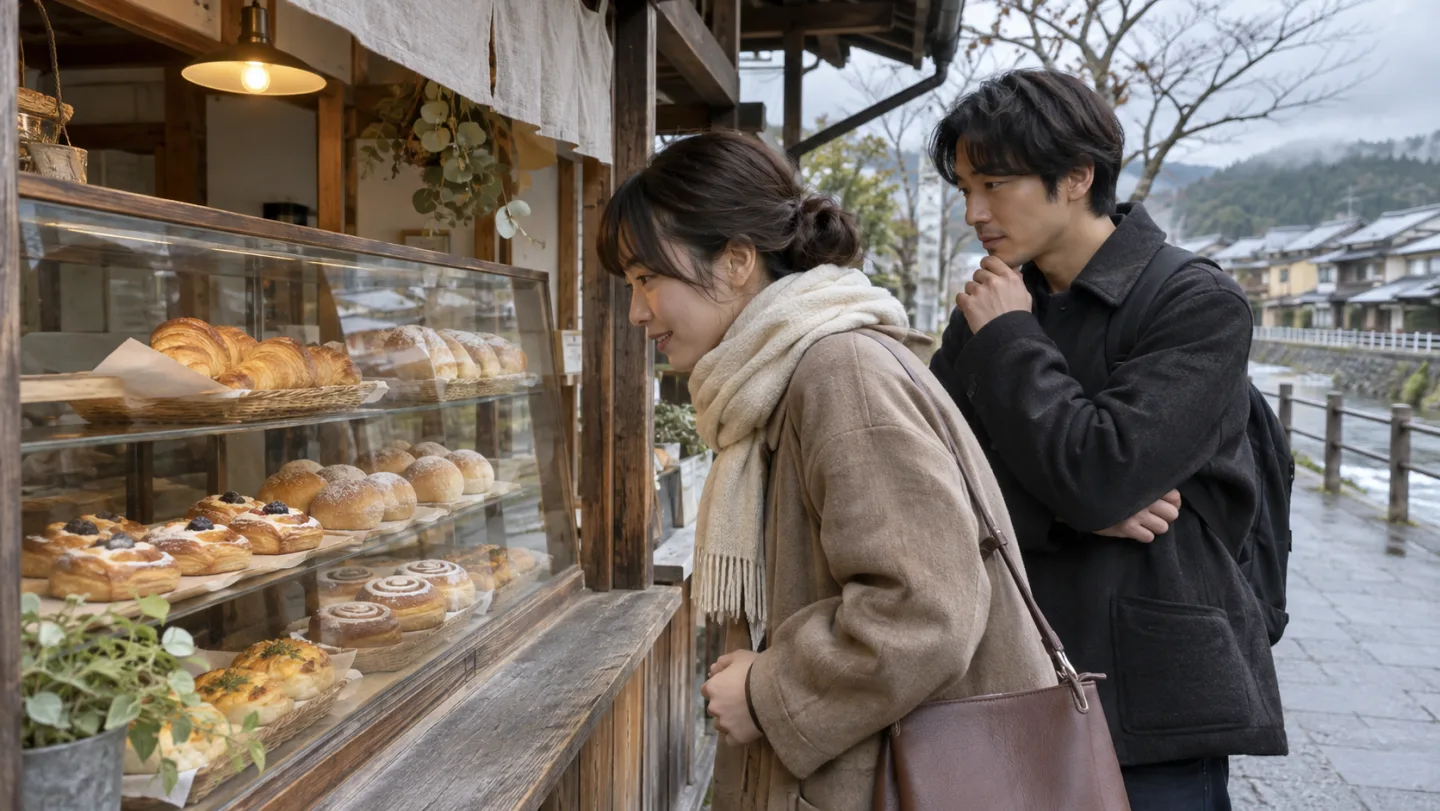
Sou desu: An impression or a report?
A tray of pastries and a rain forecast help you hear where the information came from.
Read the article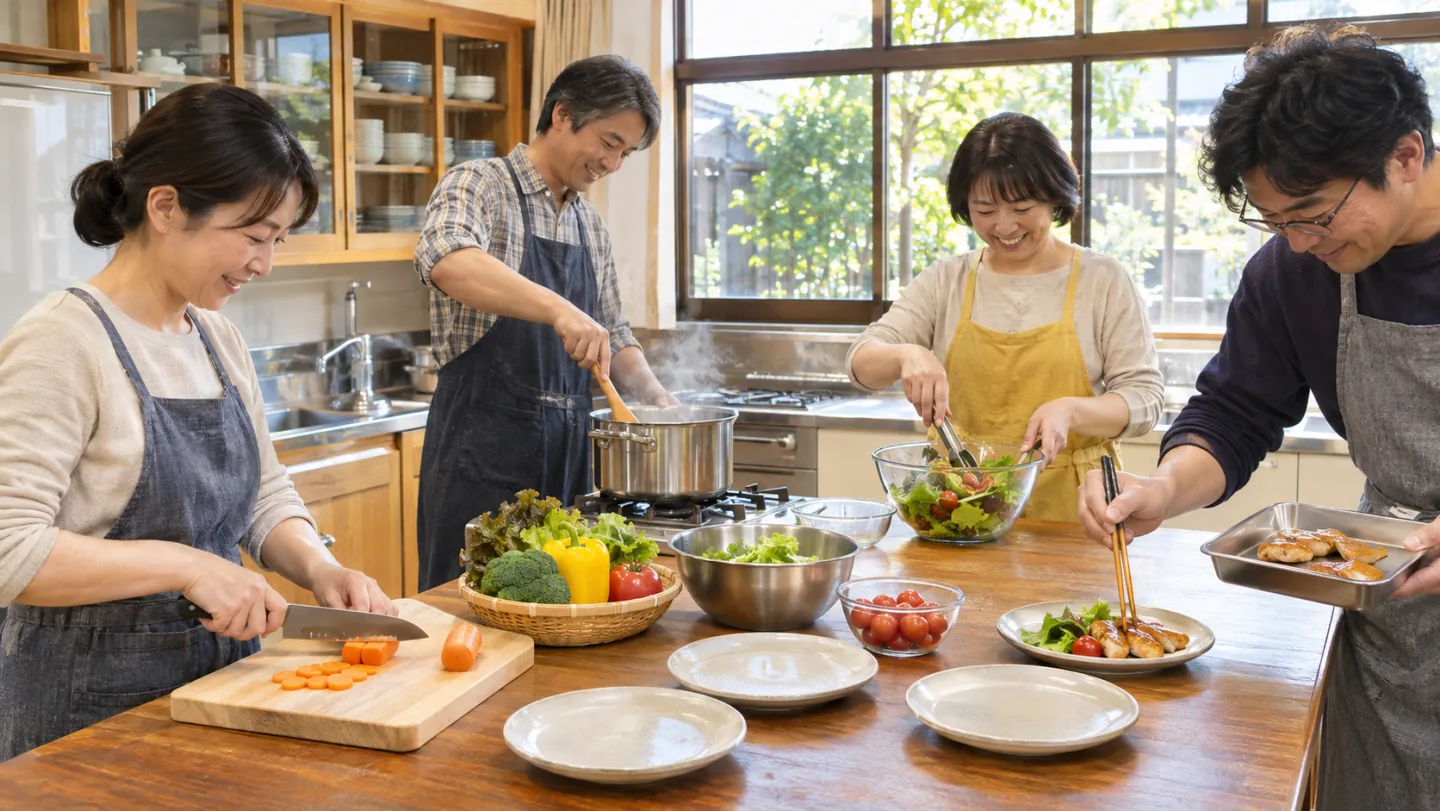
Tara for the next step in Japanese
Work out when a request applies, who should act and whether the first step is certain.
Read the article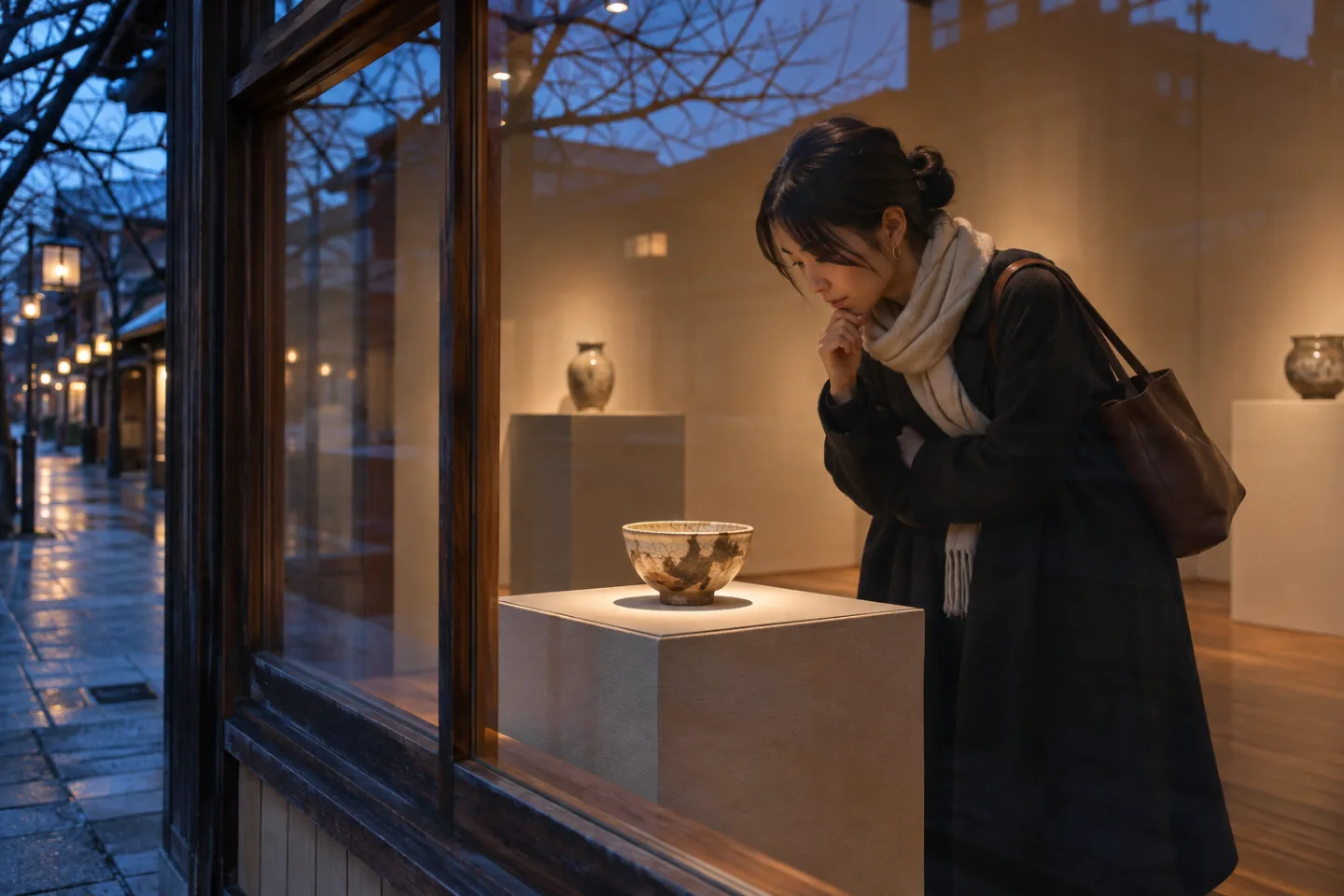
Wake dewa nai and the wrong inference
A visit to a ceramics exhibition shows how to keep an observation while correcting the conclusion someone drew.
Read the article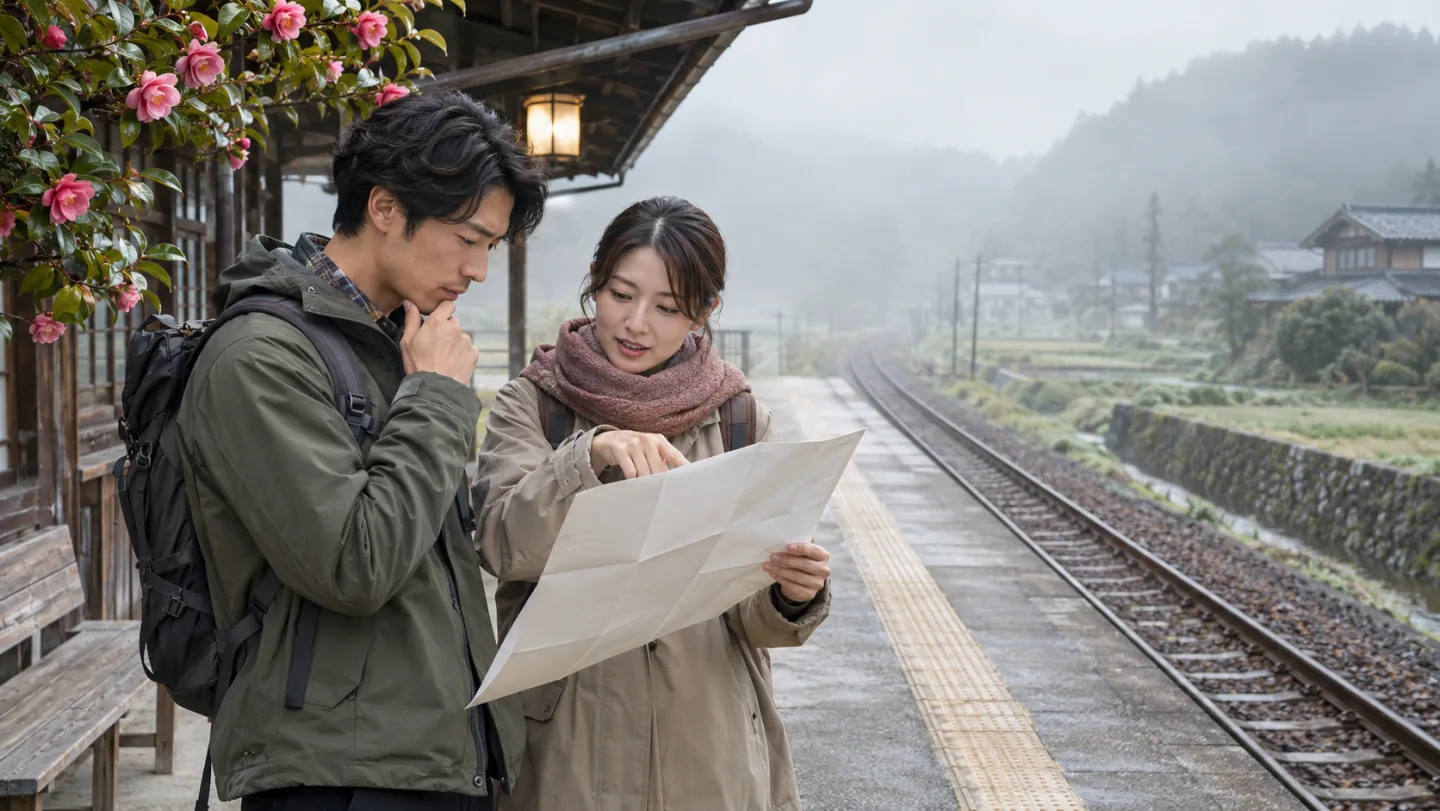
Hou ga ii: Give advice in Japanese
A train trip gives you a reason to recommend an action, advise against another and choose a natural ending.
Read the article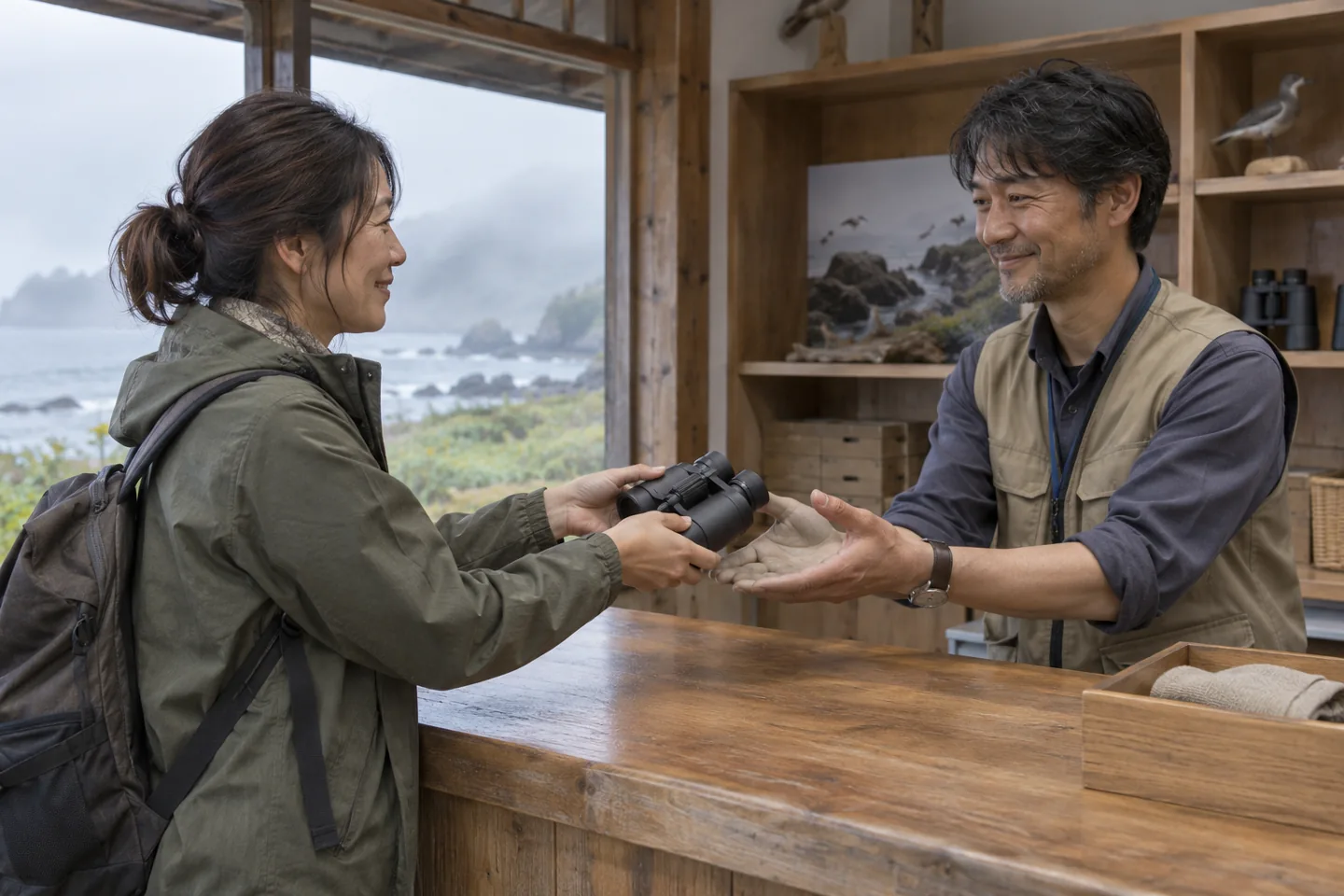
Read the return deadline with made ni
Returning equipment by four and staying until four are different promises.
Read the article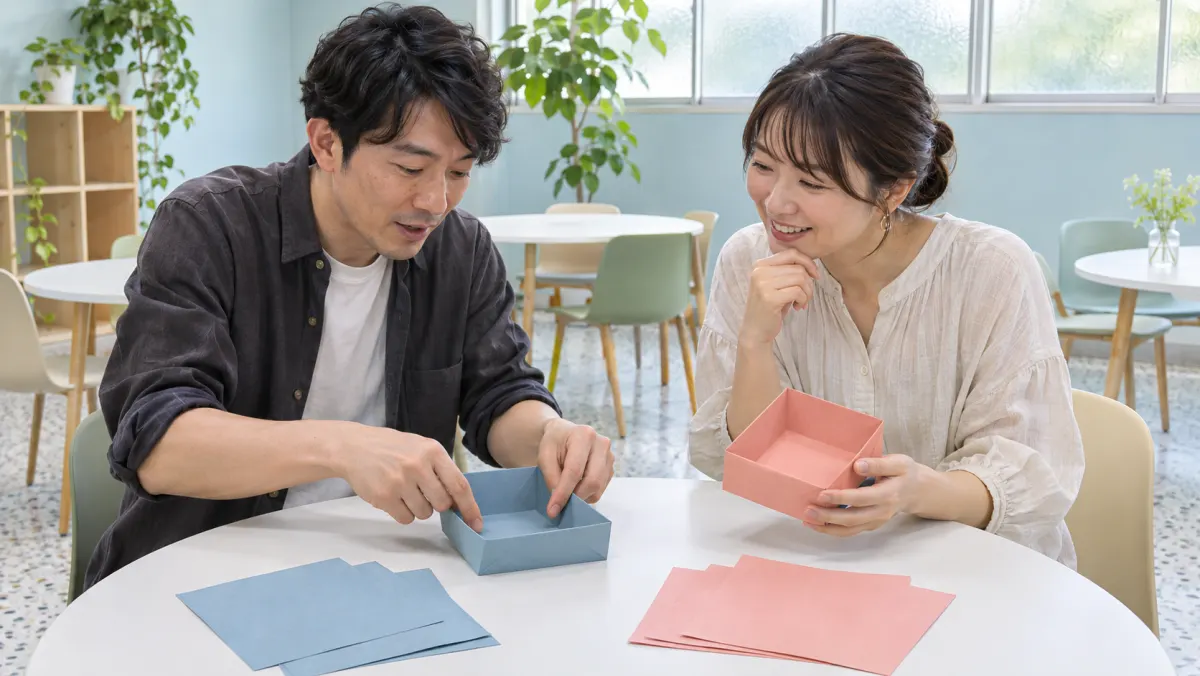
From an idea to a trial with te miru
Express an activity as a trial and keep its outcome separate.
Read the article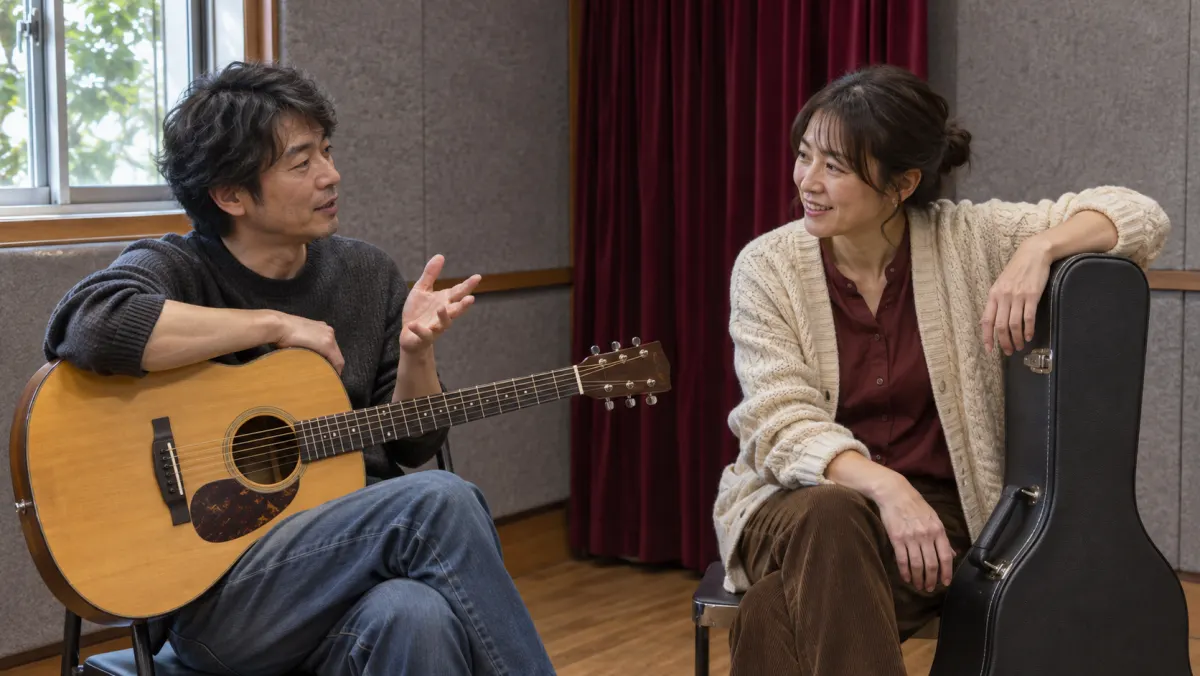
Yasui and nikui: which activity feels easy?
Name the activity before deciding whether it is easy or difficult.
Read the article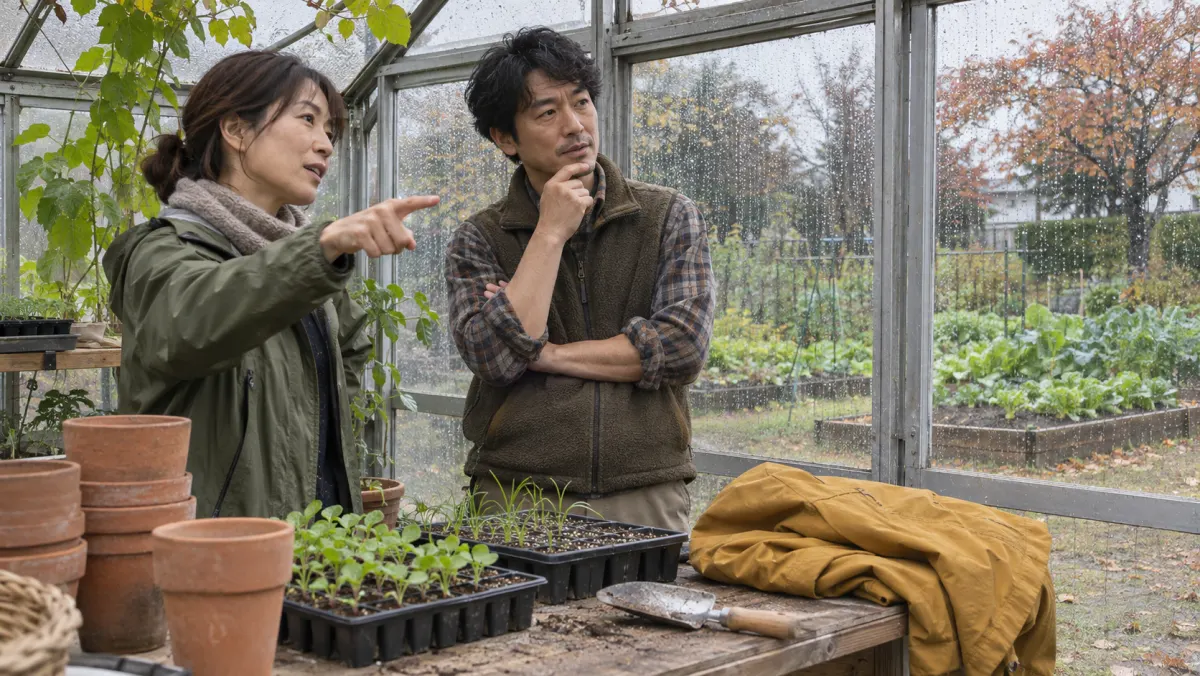
Kara gives your decision a reason
Connect the stated reason to the decision you actually mean.
Read the article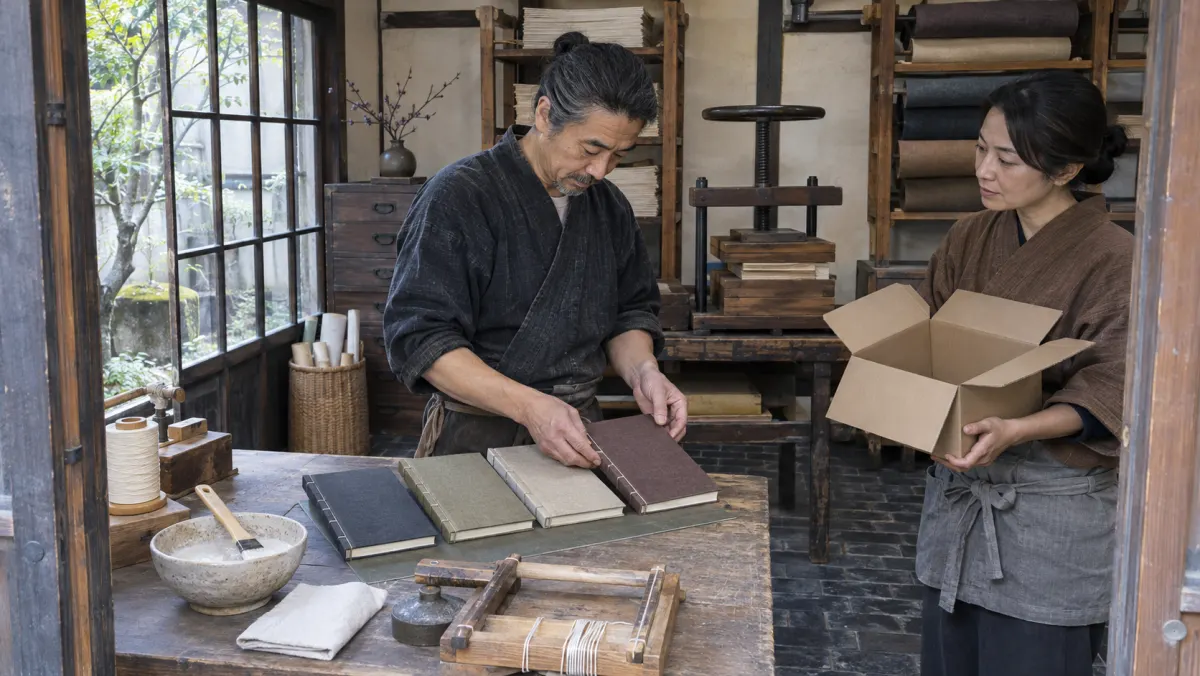
How satsu turns a number into a book request
Connect the object, quantity and action before checking the number.
Read the article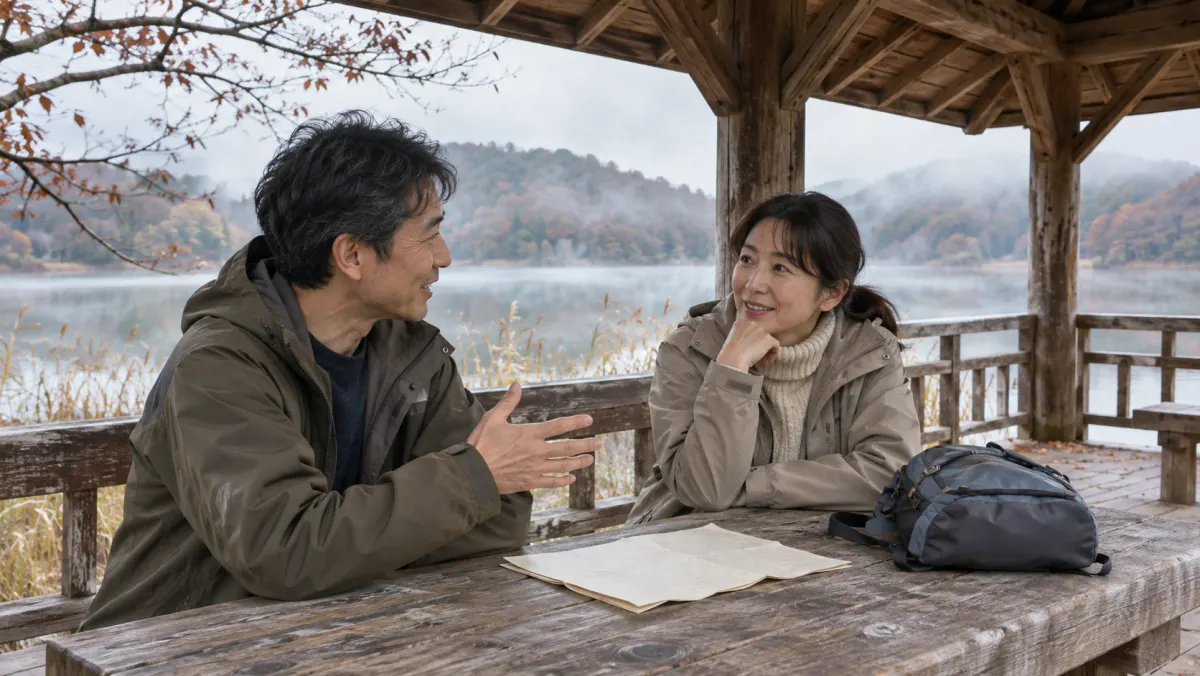
Tsumori: say what you intend to do next
Say what you mean to do before deciding how to connect the verb.
Read the article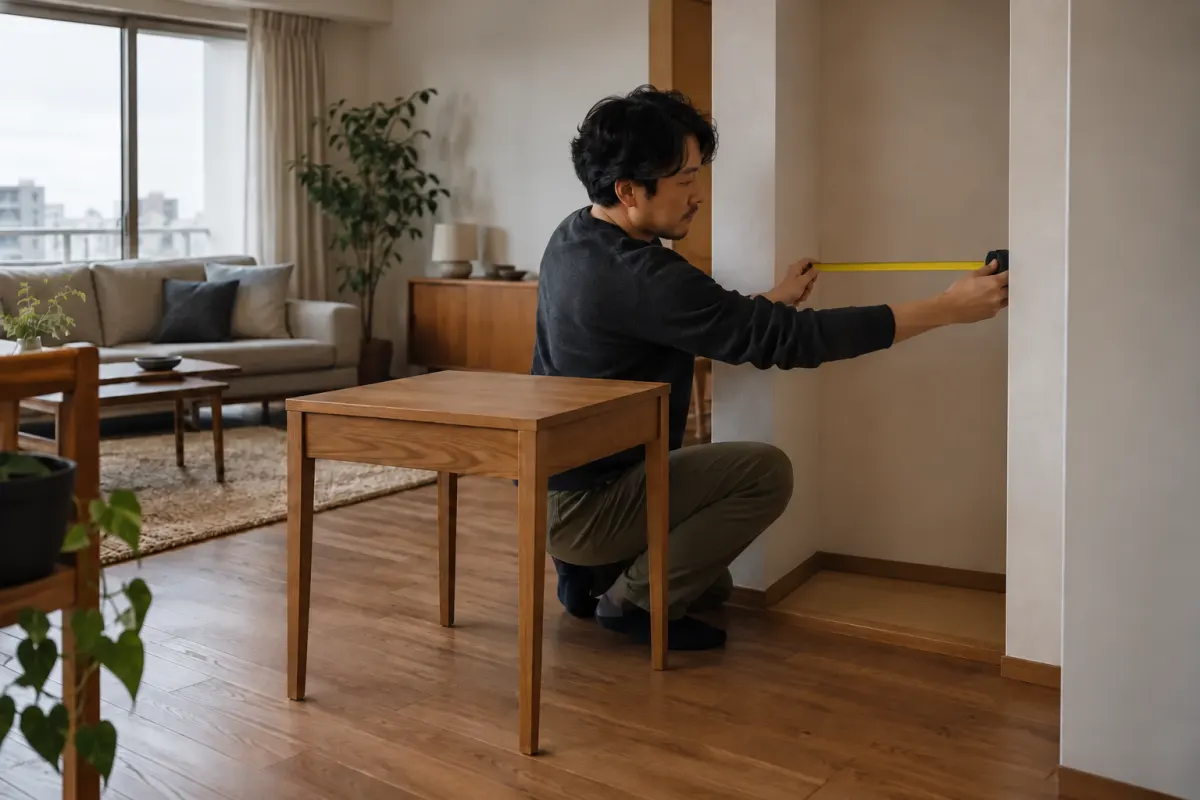
Sugiru: when something exceeds what you need
Decide what counts as excess before changing the ending.
Read the article
Tari tari: a few activities tell the story
Give two examples without inventing a complete timetable.
Read the article
Build a clear request with naide kudasai
Keep the action, listener and purpose clear when asking someone not to do something.
Read the article
Follow the gift with ageru and kureru
Keep the gift fixed, change the narrator and separate a missing word from a mistaken point of view.
Read the article
An experience interview with ta koto ga aru
Ask what someone has done before, answer from the facts and know when to switch to a particular past event.
Read the article
Ni iku: why are you going there?
Name the destination, retrieve the activity and explain what the journey is for.
Read the article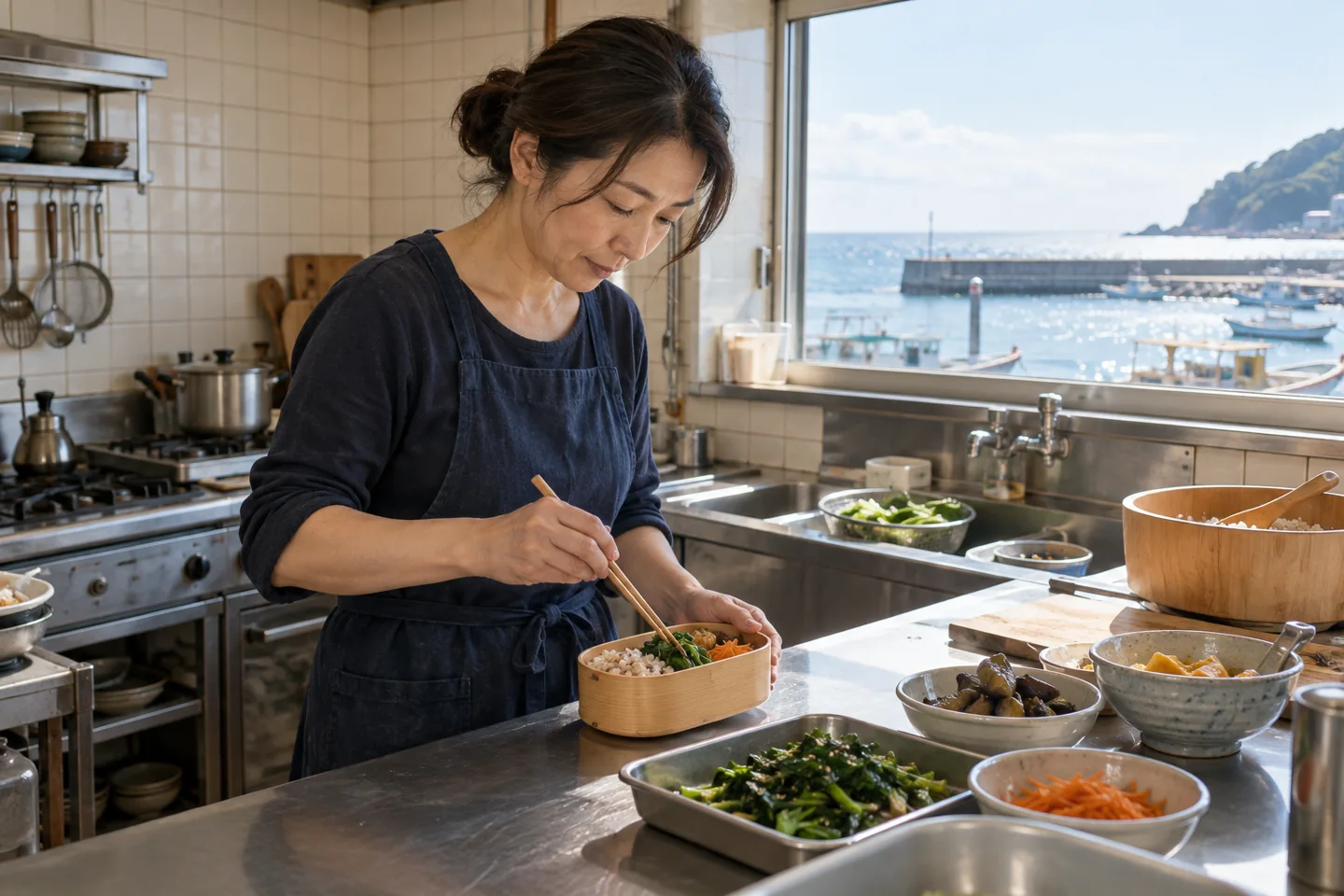
Mou and mada: four states at one checkpoint
Has the event happened, or does the condition continue? Start with the facts and check the whole ending.
Read the article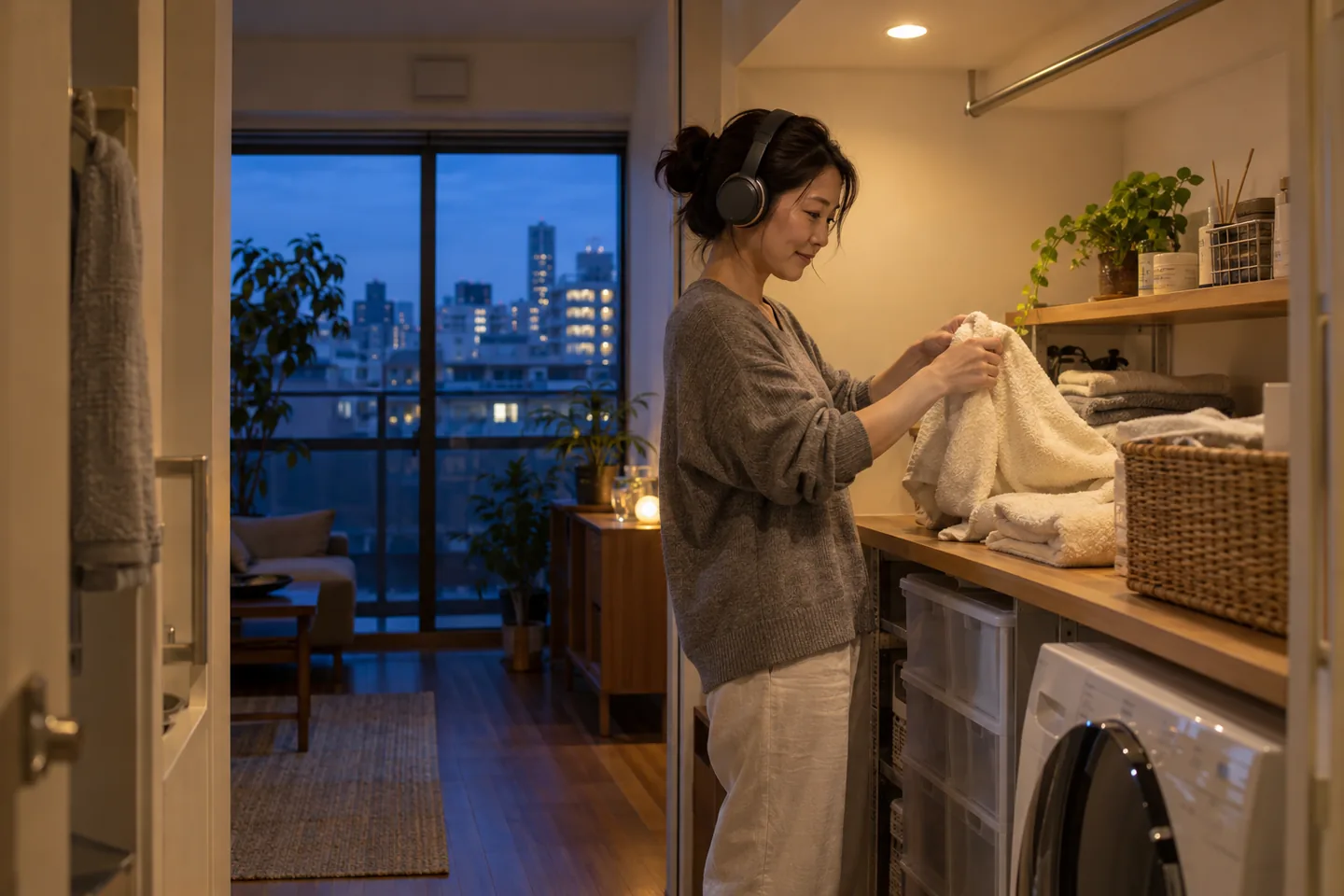
Nagara in Japanese, one person doing two things
Retrieve the verb, choose the main action and check who does both. A word-card answer and a sentence answer test different decisions.
Read the article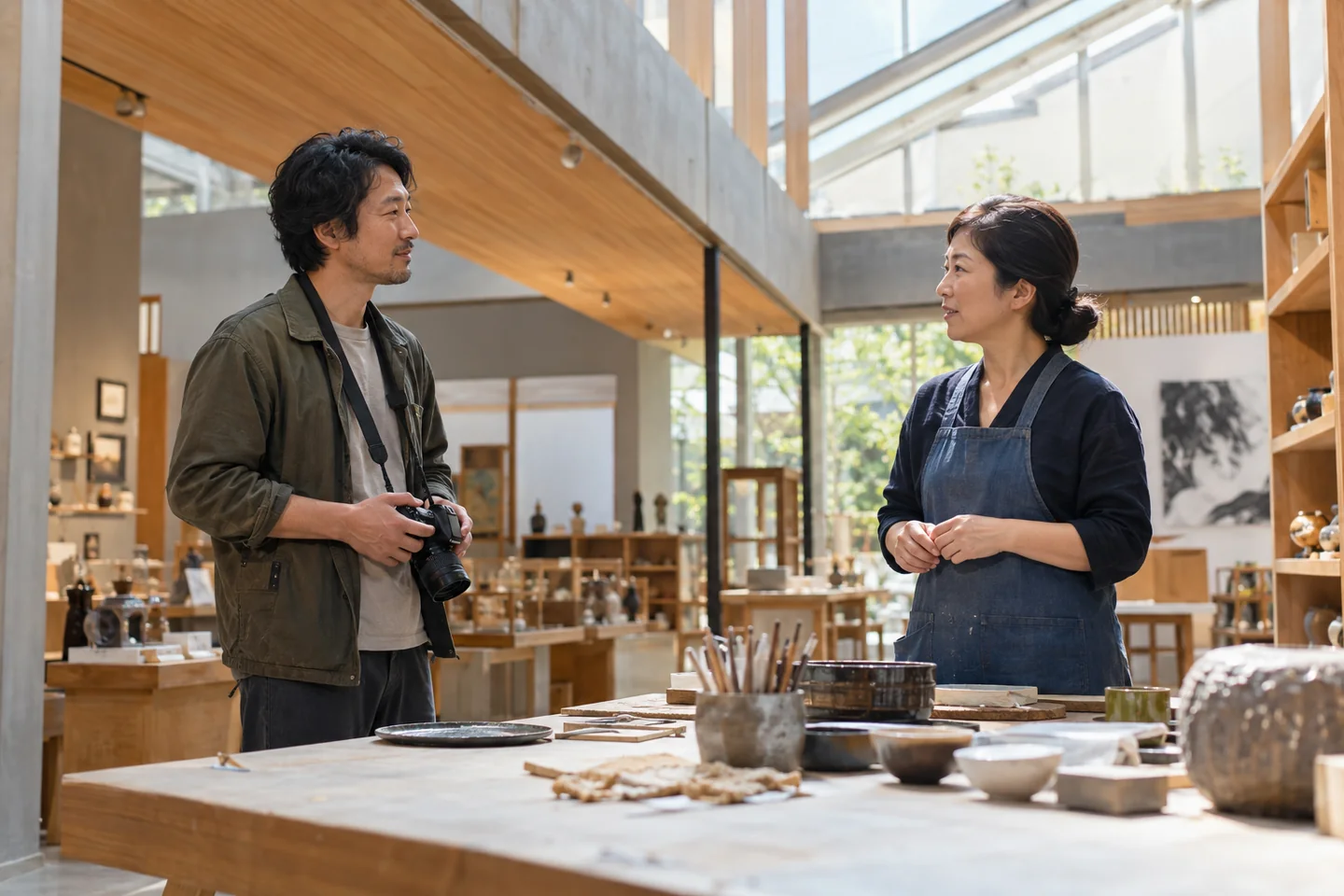
Dake and shika: check focus and ending
One chair can be a simple inventory or a shortage. Keep the quantity separate from the speaker’s expectation, and read the whole sentence.
Read the article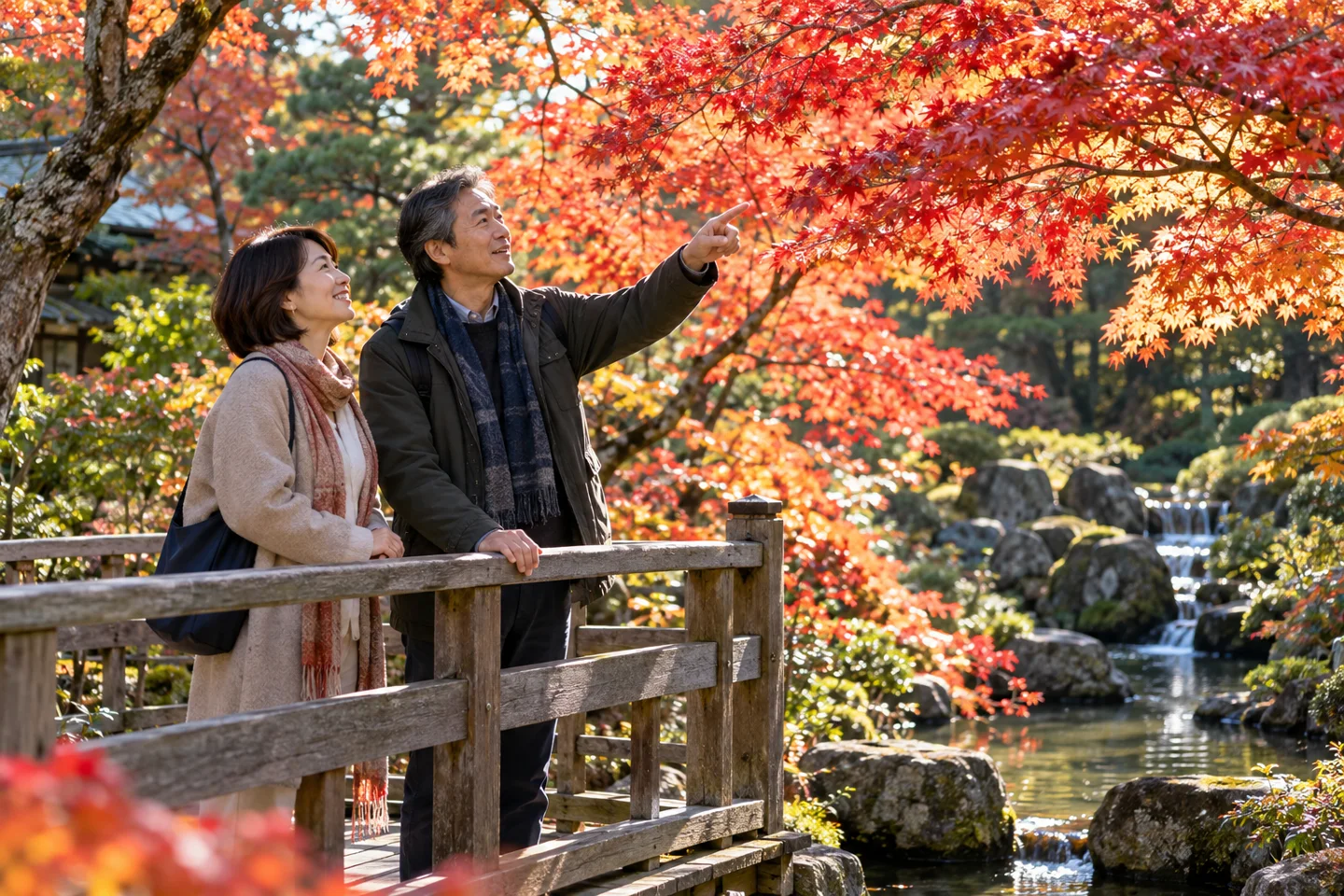
What changes with ne and yo in Japanese?
The words can stay almost the same while the speaker does something different. Start with the exchange, then choose what the ending contributes.
Read the article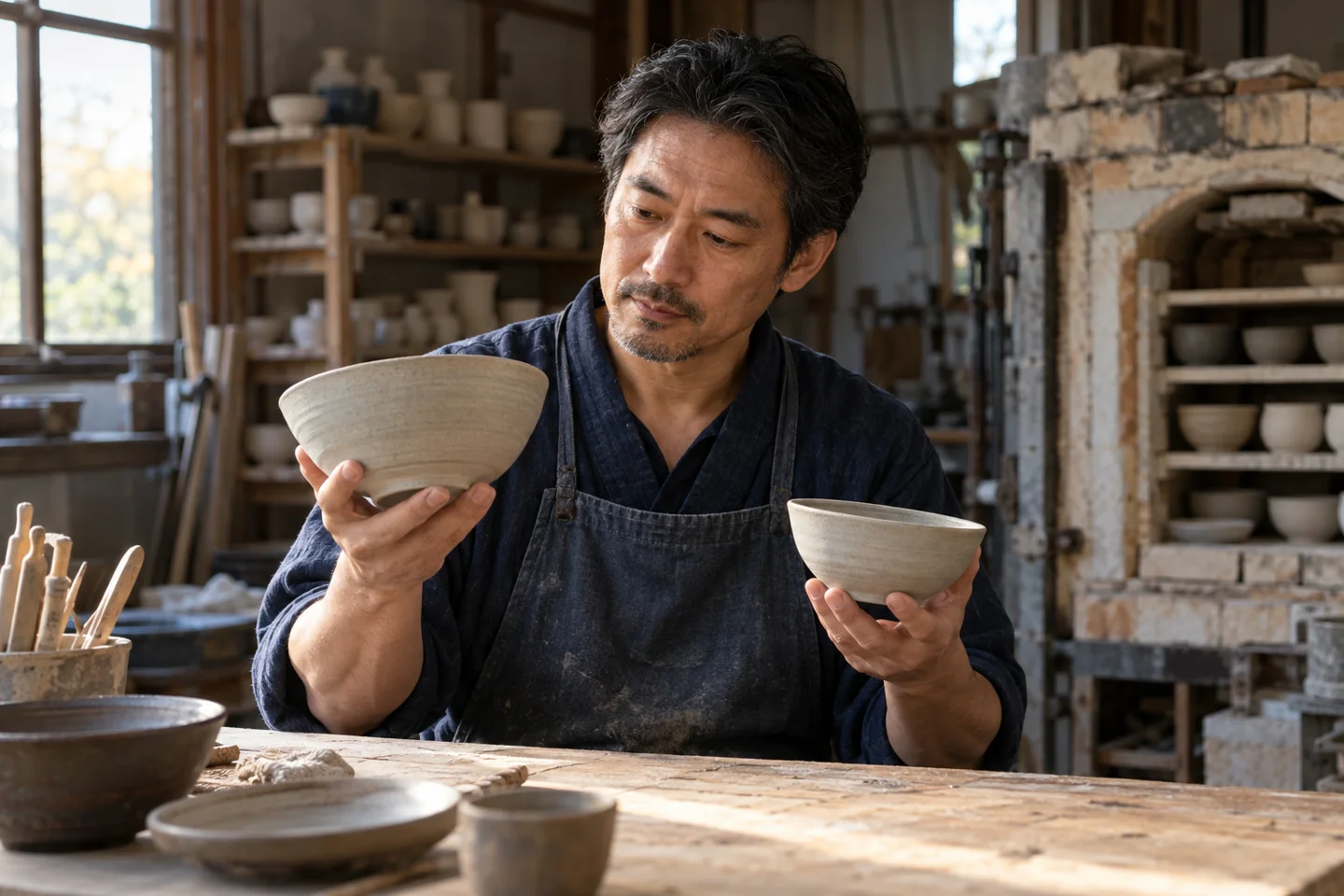
Keep the reference clear with yori and hou ga
Two bowls can differ in size, weight and price. Choose one property, then check which object your Japanese sentence uses as the reference.
Read the article
Japanese tai form for your own next activity
Wanting to read is different from reading. Choose the message first, build its form, and review only the part you could not retrieve.
Read the article
Mae ni and ato de: keep two events in order
Draw the order first. Then choose the form that connects two actions, even when the whole sentence describes yesterday or tomorrow.
Read the article
How often? Japanese frequency adverbs in use
Choose a frequency you can actually support, keep the activity steady, and separate a forgotten word from a sentence that says the wrong thing.
Read the article
Japanese invitations before you make a plan
A grammatical invitation is only the beginning. Offer an activity, listen to the answer, and keep the plan open until both people want to join.
Read the article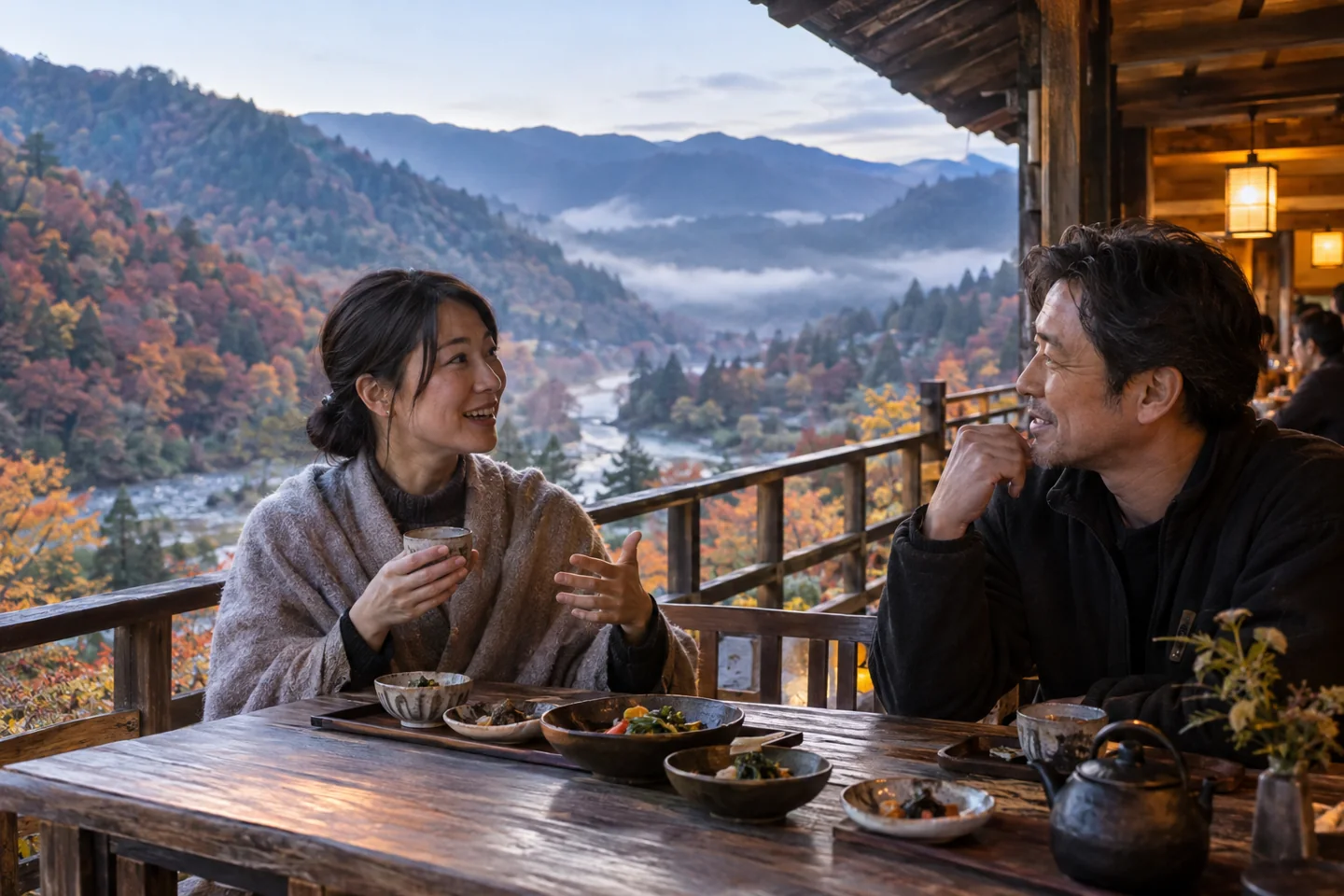
Suki and kirai: build a preference you mean
Knowing the word for tea is only one part of saying you like it. Choose the meaning, build the sentence, and check the mistake you actually made.
Read the article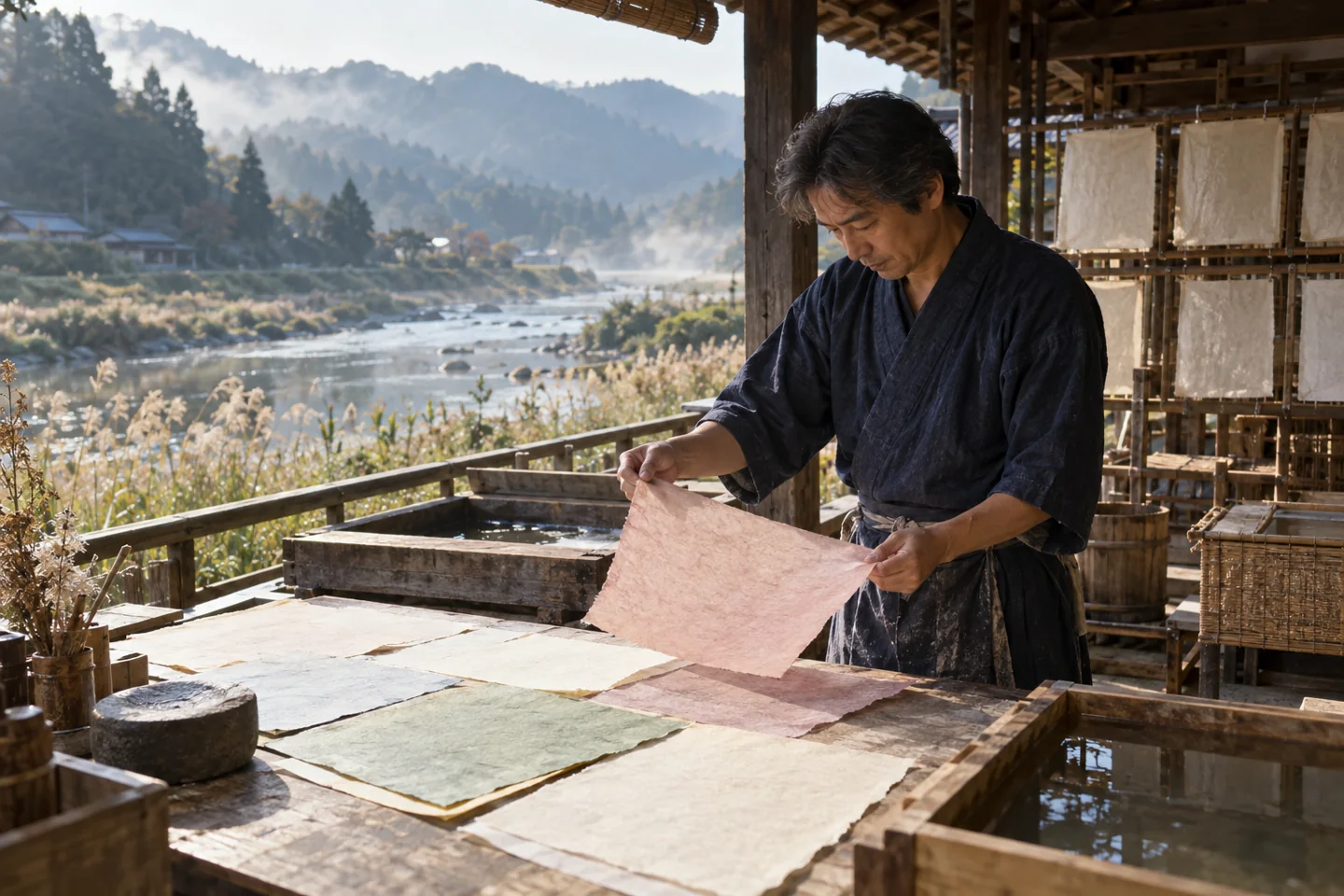
Japanese counter mai, one sheet at a time
The number can be right while the unit is wrong. Count individual sheets before deciding what a pile, a packet or a notebook represents.
Read the article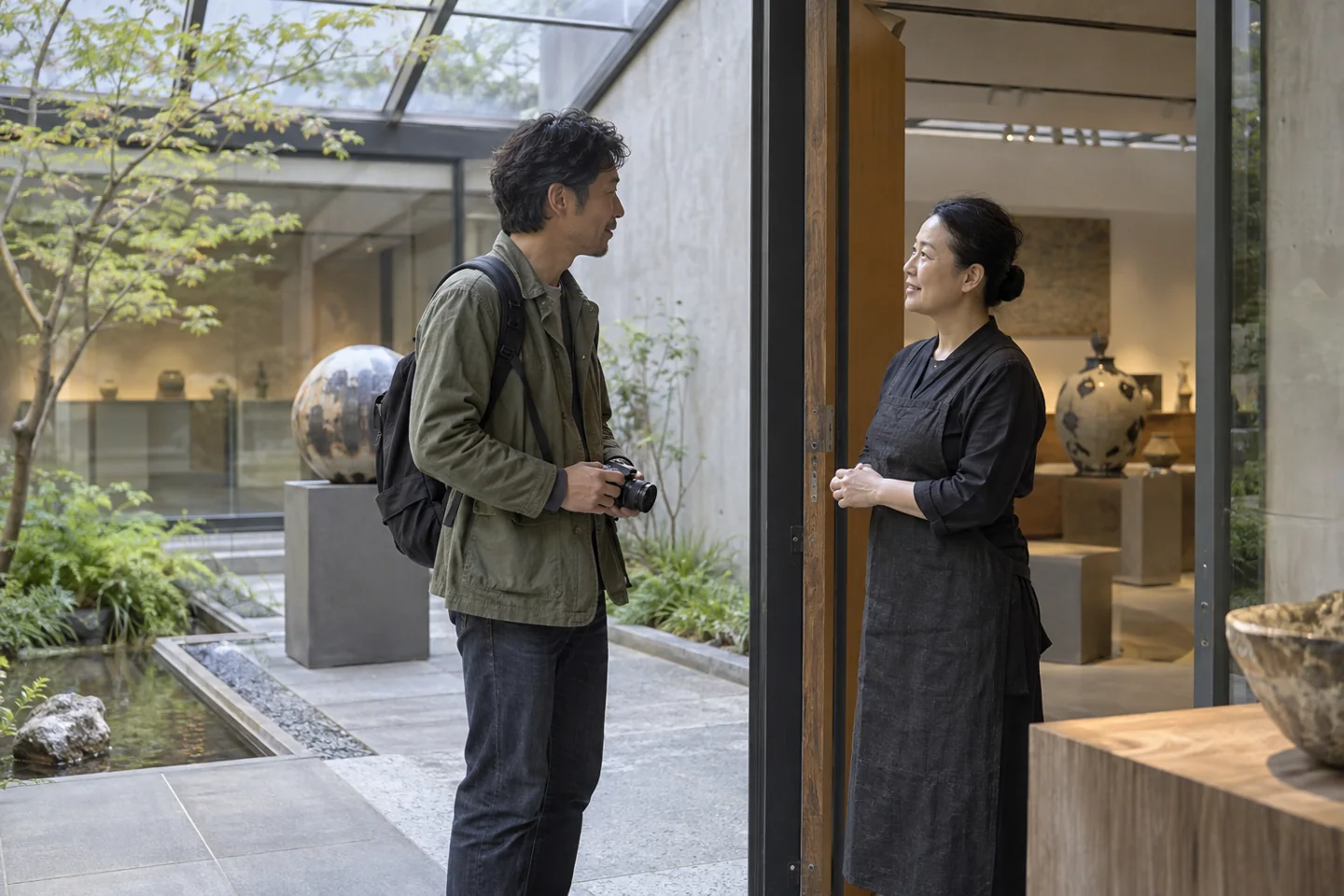
Te mo ii: am I asking to act, or asking you?
A polite ending cannot fix the wrong intention. Before choosing a phrase, decide whether you want to do something yourself or want the listener to do it.
Read the article
Japanese location words for a misplaced bag
You remember “under”, yet your sentence puts the wrong object first. Use a bag, a chair and a box to make the relationship clear before you speak.
Read the article
Japanese family terms in a first introduction
The person stays the same, but the word can change. Practice whose family you mean before choosing a term for father, mother or an older sibling.
Read the article
Japanese minutes: read the number, then the ending
Knowing the number is only half the answer. Learn to select the whole minute expression, then check it in a clock time or a duration.
Read the article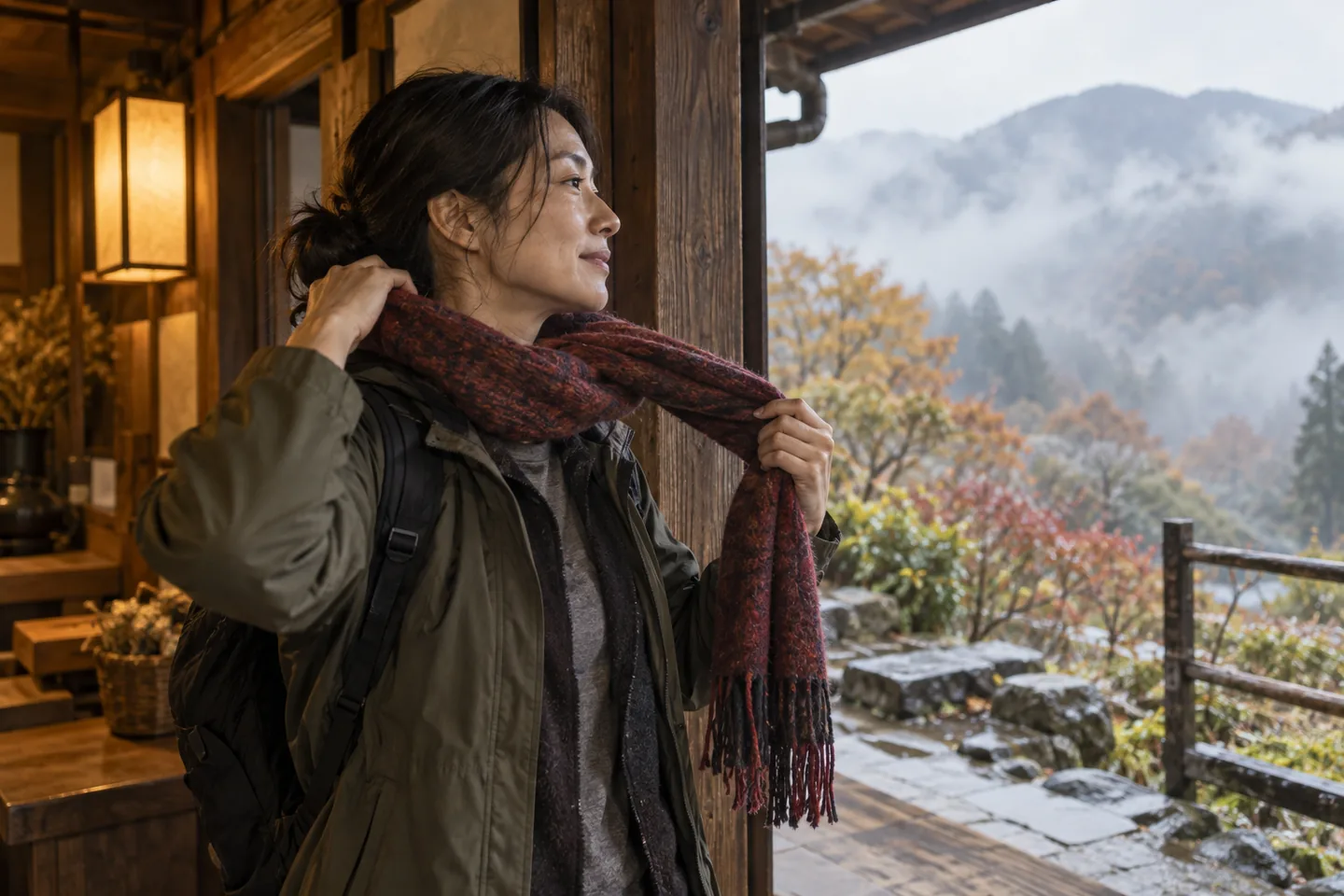
Japanese adjective past tense: why two endings?
You remember the word for tasty. Can you say that yesterday’s meal was tasty without putting the past ending in the wrong place?
Read the article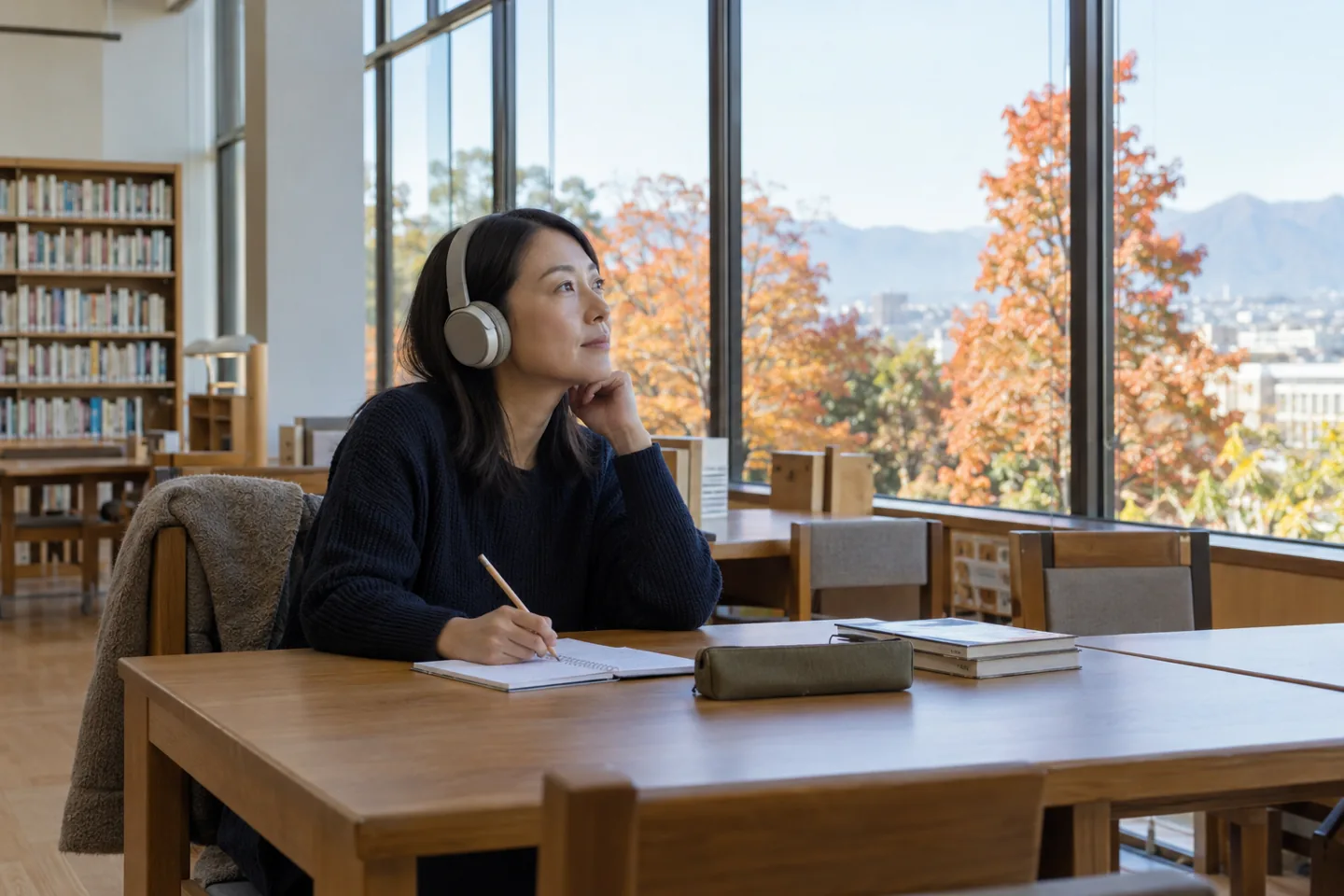
Small tsu: hold the consonant, skip the extra vowel
A tiny character changes the timing. Separate what you see, what you hear and what you can produce before you speed up.
Read the article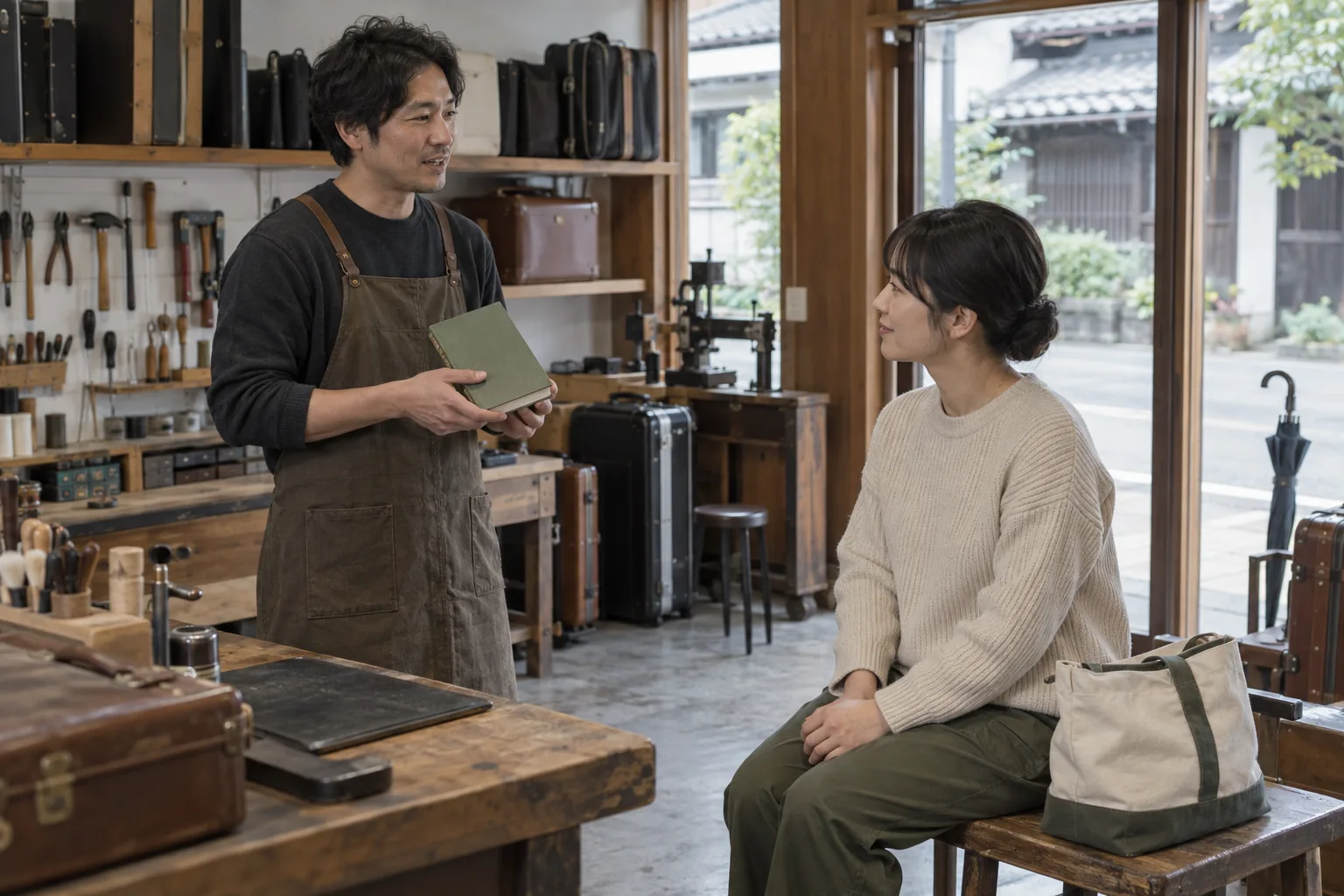
Kore, sore and are: who is pointing?
The book stays where it is. The person talking changes. That is where your understanding of these three forms becomes visible.
Read the article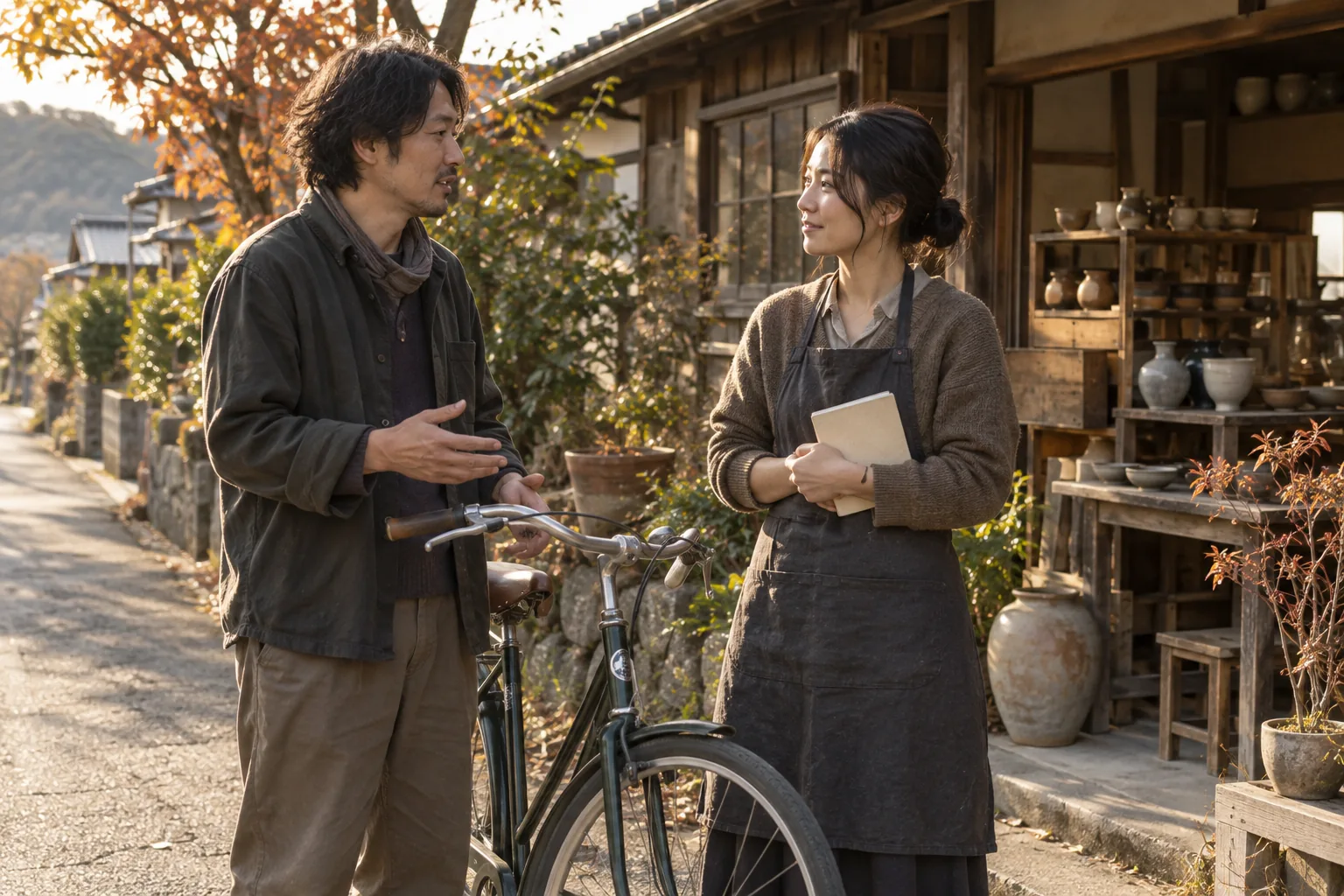
Japanese days of the week, out of order
Seven familiar endings. Seven distinct answers. Read the day without starting from Monday.
Read the article
Katakana long vowels: keep the missing beat
A small line changes the timing. Read it, remember it, and check the whole word.
Read the article
Japanese cup counter: what does 杯 count?
One cup of tea, two glasses of water: choose the unit, then say the complete quantity.
Read the article
Japanese verb pairs: describe what changed
An open door and someone opening it are different stories. Learn to choose the verb before you choose the ending.
Read the article
Japanese shadowing: start with one clear phrase
A short recording, one useful phrase and a careful second attempt. Build a speaking exercise you can actually follow.
Read the article
You don’t have to be in Japan to make Japanese part of your day.
Find small, meaningful moments for Japanese in the day you already have: a drink, a journey, a short text and a phrase worth returning to.
Read the article
A 15-minute Japanese study routine that fits your day.
Build a flexible Japanese study routine around a useful fifteen-minute session, a smaller fallback, and a clear next step.
Read the article
“I know this word.” So why can’t I remember it?
Understand the difference between recognising a Japanese word and recalling it, then improve your practice with clearer cues and context.
Read the article