
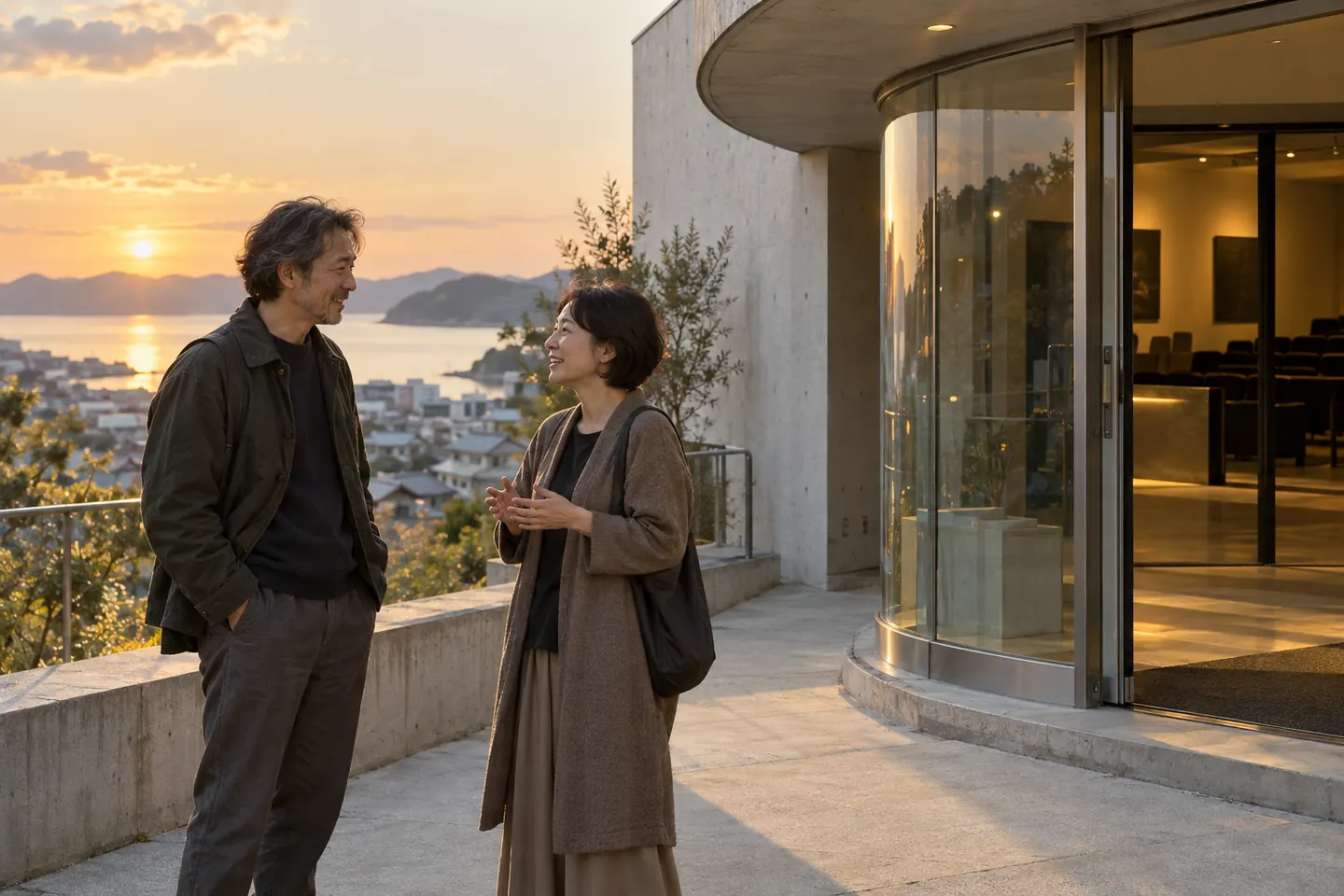
Ta koto ga aru helps you ask whether someone has done something before. The useful question is not simply “Which past ending do I need?” You first decide whether you are opening a topic from a person’s experience or reporting a particular event. A train ride, a meal and a film give us three manageable topics. We will build polite questions, answer only from supplied information and add a dated follow-up when the conversation calls for it.
You can do the whole exercise with paper and a pencil. Make two small columns headed “experience” and “particular event”, and leave space for a third note: “not stated”. The people and histories below are fictional. You are practising how to express given facts, not being asked to claim experiences you have never had. If you later use your own life, choose a topic you are comfortable discussing and keep the answer truthful.
Ta koto ga aru opens a topic from experience
Imagine meeting another adult at a small local film event. You want to know whether they have seen a Japanese film before. That question leaves open which film, when they watched it and whether they enjoyed it. A positive answer gives you a starting point for the conversation; it does not supply all those details automatically.
The experience pattern places an action in a person’s history. 日本に行ったことがあります。Nihon ni itta koto ga arimasu. “I have been to Japan.” In a suitable context the person speaking can be understood without repeating 私は, watashi wa. This is a model statement, not a claim about the reader or the person in a photograph.
Compare the purpose question from another conversation: what are you going somewhere to do? An experience question instead asks what has happened before. Choose that message before assembling the Japanese. The same destination word can appear in both conversations while doing a different job in the overall sentence.
Keep the inner verb plain and the answer polite
Build the polite experience statement from a verb’s plain affirmative past form, followed by ことがあります, koto ga arimasu. The final あります supplies the polite ending here. Do not insert the polite past ending ました before こと. Saying a longer sentence politely does not mean making every verb inside it polite.
Use three checked forms for this lesson: 行く, iku, “go”, becomes 行った, itta; 食べる, taberu, “eat”, becomes 食べた, tabeta; 見る, miru, “see or watch”, becomes 見た, mita. 行く has the important form 行った; guessing a regular-looking alternative will not produce the required word. Say each complete form once before adding the rest.
The Japan Foundation’s experience lesson, with Portuguese explanations confirms the ta-form attachment and positive and negative endings. For wider form-building practice, use our Japanese verb conjugation guide. Keep this exercise’s verb set small enough that a word-form problem does not hide the experience contrast.
Ask about a ride without asking for its date
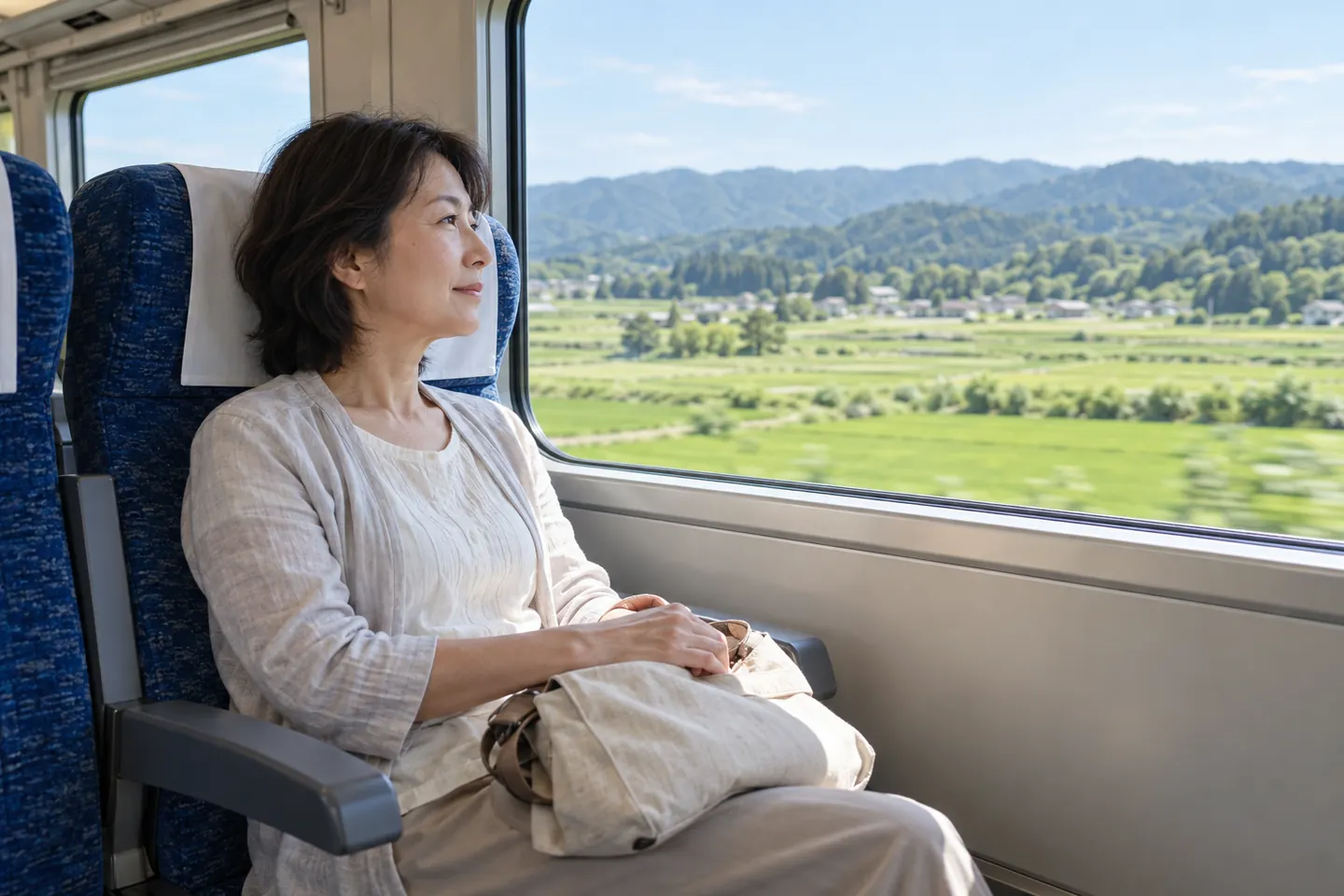
For the train topic, add one more checked verb: 乗る, noru, “ride or board”, becomes 乗った, notta. The small っ holds the following consonant; it is not another full “tsu” syllable. 新幹線, shinkansen, names the high-speed train. This lesson is about the sentence, not a service timetable, ticket offer or travel recommendation.
新幹線に乗ったことがありますか。Shinkansen ni notta koto ga arimasu ka. “Have you ever ridden a shinkansen?” The final か makes this a polite question. Notice the direction of the task: we are asking whether the experience exists, not whether the train is currently approaching or whether a particular booking was used.
If the fictional speaker’s notes say that they have, a full practice answer is はい、乗ったことがあります。Hai, notta koto ga arimasu. “Yes, I have.” Repeating the action is useful while learning. You do not have to repeat every noun when the topic is clear. Read both turns aloud, then cover the model and rebuild only the answer.
Say no by changing the outer ending
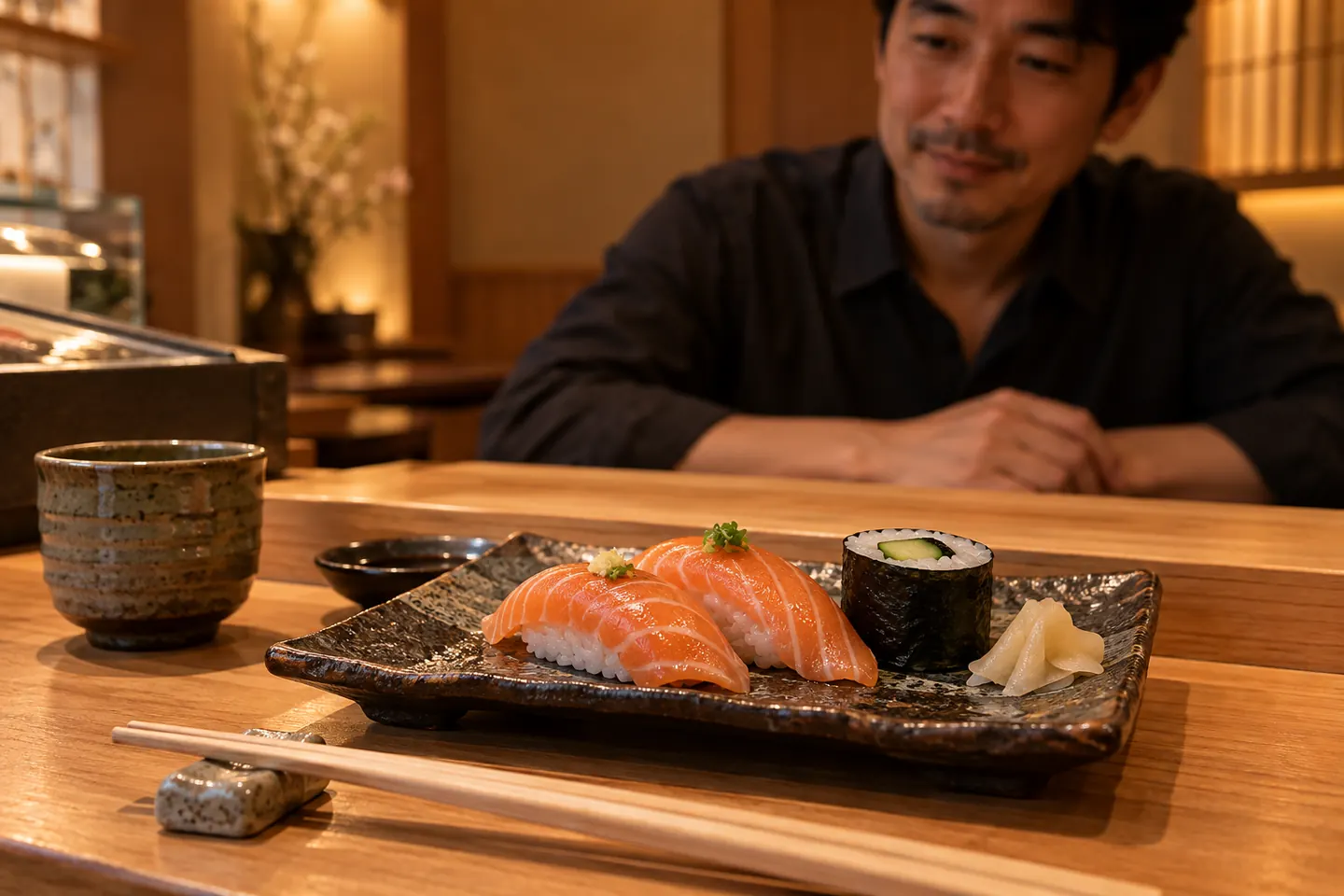
すしを食べたことがありますか。Sushi o tabeta koto ga arimasu ka. “Have you ever eaten sushi?” Here を marks what was eaten and is pronounced o. Suppose the supplied notes say the speaker has never eaten it. Answer いいえ、食べたことがありません。Iie, tabeta koto ga arimasen. “No, I have never eaten it.”
Keep 食べた inside the expression. The final ありません makes the experience statement negative. Changing the inner verb to a negative past form would create a different proposition about not doing something; that is not the intended answer in this exercise. Our negative sentence guide helps you locate the part of a sentence that carries its negative meaning.
A negative experience answer is not a statement of dislike. The speaker may be interested, indifferent or unwilling to discuss food. The grammar has not told you which. Likewise, a positive answer does not establish a preference. Keep your follow-up proportionate to what the person actually said rather than inventing their opinion from one response.
Follow the experience with one particular event
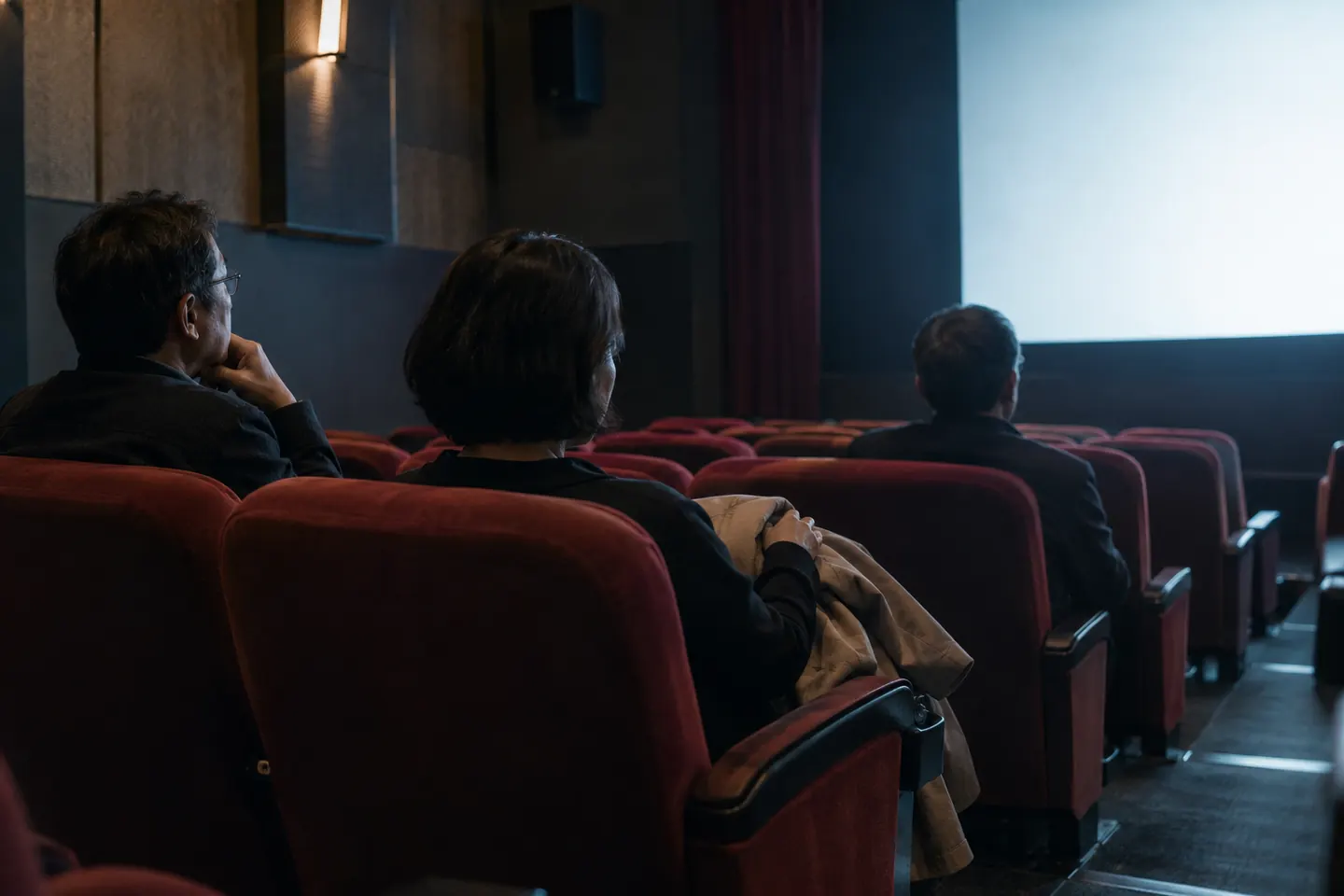
Now ask 日本の映画を見たことがありますか。Nihon no eiga o mita koto ga arimasu ka. “Have you ever seen a Japanese film?” 日本の映画, Nihon no eiga, means a Japanese film or Japanese films in this context; the noun itself does not force an English singular or plural. Let the conversation establish which detail matters.
A fictional speaker can answer はい、見たことがあります。Hai, mita koto ga arimasu. Then add 去年、日本の映画を見ました。Kyonen, Nihon no eiga o mimashita. “I watched a Japanese film last year.” 去年, kyonen, gives the time of that particular event. The follow-up uses the ordinary polite past 見ました, mimashita.
The University of North Carolina Wilmington experience notes distinguish experience from reporting a dated past event. Use that distinction as a message check, not a ban on ever mentioning dates in a longer conversation. You can first establish experience and then explain when something happened. Write the two turns separately so their different purposes stay visible.
Leave ability, preference and missing facts open
“I have ridden a train” does not tell you whether I could explain the ticket system to someone else. “I have seen a Japanese film” does not tell you whether I understood it without subtitles. These may be sensible follow-up topics, but they need their own information. An experience statement is not an automatic claim of current ability.
Be equally careful with missing information. If a profile says only “likes films”, you cannot infer “has seen a Japanese film”. If the profile says nothing about sushi, you cannot responsibly turn that blank into “has never eaten sushi”. For this paper exercise, mark “not stated” and ask for the missing fact rather than forcing a Japanese yes or no.
In a real conversation, you may also choose not to answer. This lesson does not supply a universal phrase for declining every sensitive question. Practise with ordinary topics and fictional facts first. A useful language exercise gives the learner enough evidence to answer without rewarding confident invention or an unwanted personal disclosure.
Turn the notes into a short conversation
Prepare three fictional notes: Emi has ridden a shinkansen; Leo has never eaten sushi; Sara watched a Japanese film last year. The names are labels for the exercise, not identities of people pictured on the page. Put one note on each piece of paper and let a partner choose a topic. Without a partner, read the question aloud and then turn over the corresponding note.
Ask a polite experience question, answer from that note and stop. For Sara, add the ordinary past sentence about last year. Do not require Emi to provide a date when the note gives none. Do not ask Leo to explain a preference that the note does not mention. The stopping point is part of the exercise: enough Japanese to express the available information.
Our sentence structure guide can help when you lose track of the final predicate. Underline the complete ending, then check the action before こと. A remembered topic noun alone is not yet a complete answer to the interview question.

Try six choices before uncovering the key
Use the same fictional notes. Cover the next section. For each item, write the intended message in a few words before choosing a form. This makes it possible to distinguish a meaning error from a spelling or reading error when you check your work.
1. Ask Emi whether she has ever ridden a shinkansen. Include the polite question ending.
2. Give Emi’s positive answer without inventing a date. Repeating the action is enough.
3. Ask Leo whether he has ever eaten sushi. Keep the object and action together.
4. Give Leo’s negative experience answer. Decide which part becomes negative.
5. Give Sara’s two-sentence reply: she has seen a Japanese film, and she watched one last year.
6. A fourth note says only that Tom likes films. Can you already give a truthful positive or negative answer to the Japanese-film experience question?
Keep your first attempt. A crossed-out ending can show you precisely what to revisit; a clean copied answer cannot show the same decision.
Check the message, then repair the form
For item one, use 新幹線に乗ったことがありますか。Shinkansen ni notta koto ga arimasu ka. Check 乗った and the final か separately. Item two is はい、乗ったことがあります。Hai, notta koto ga arimasu. The note supports the experience; it supplies no date.
For item three, use すしを食べたことがありますか。Sushi o tabeta koto ga arimasu ka. Item four is いいえ、食べたことがありません。Iie, tabeta koto ga arimasen. 食べた stays affirmative; ありません carries the negative experience meaning.
Item five combines はい、見たことがあります。Hai, mita koto ga arimasu, with 去年、日本の映画を見ました。Kyonen, Nihon no eiga o mimashita. One sentence opens the experience topic; the other reports the dated event. Item six remains “not stated”. Liking films is insufficient evidence for this particular experience.
Finally, change just one fact: Leo has eaten sushi before. Rebuild his answer positively without looking above. Then ask yourself what still remains unknown: when, where and whether he liked it. You have completed the exercise when your sentence matches the supplied history and you can explain the limits of that answer.
Questions about the method
Does the pattern have to sound formal?
The polite models use ことがあります and ことがありません. Casual counterparts include ことがある and ことがない. Practise one register consistently before switching. A casual form is not automatically appropriate with every person, and a friendly setting does not require you to shorten everything immediately.
Does every English “have” need this expression?
No. We use it here for whether someone has had a particular experience. Possession, unfinished actions and other English present-perfect meanings need their own Japanese analysis. Start with what you want to communicate, not with the presence of the English word “have”.
What should I practise again if my ending was correct?
Check the verb before こと and the evidence behind the answer. You may know あります yet have guessed 行った incorrectly, or have produced a well-formed answer unsupported by the note. Repair that specific decision, then try a fresh question with the same small verb set.