
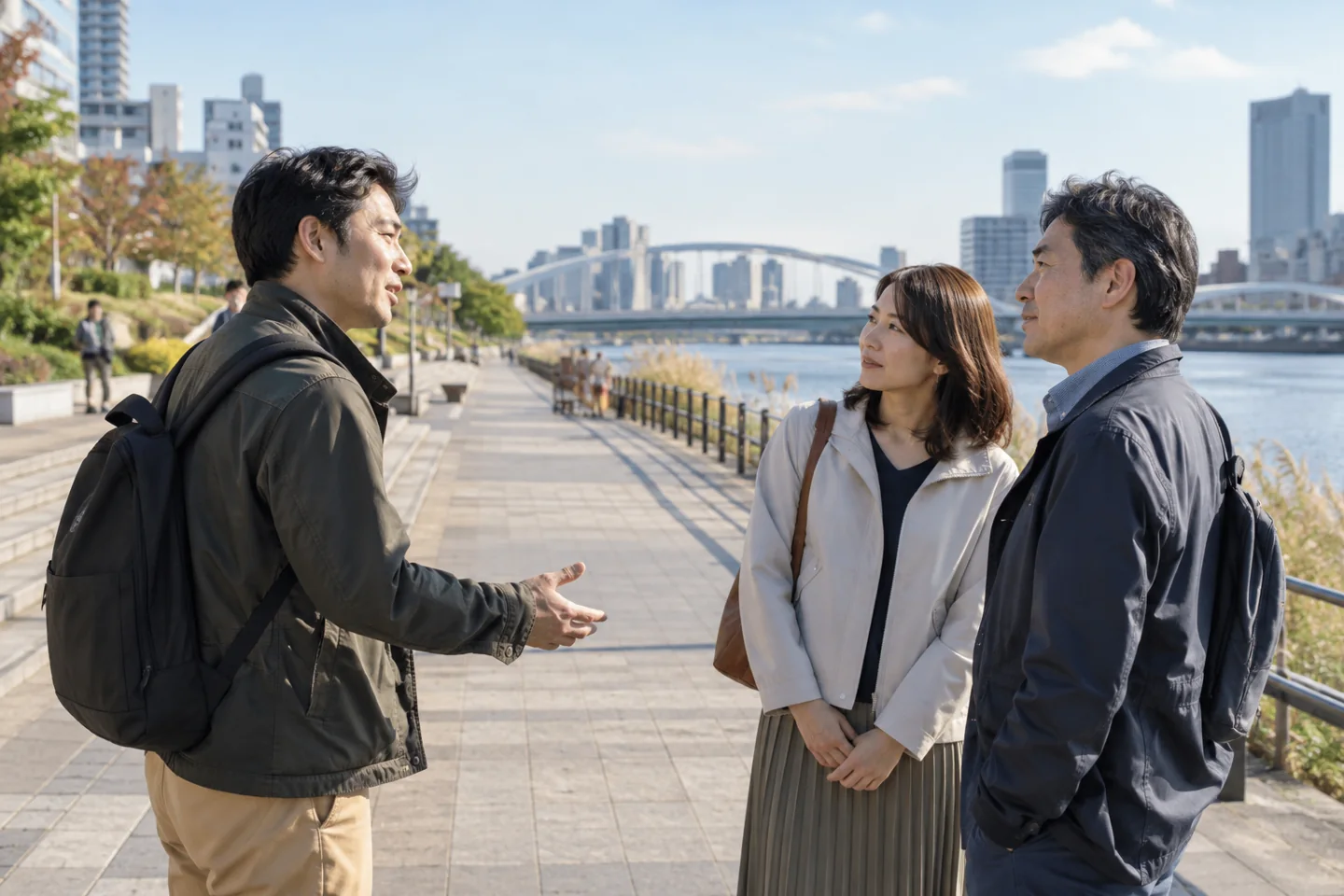
Japanese invitations often look manageable on the page: choose an activity and add a familiar ending. The harder moment comes next. Has the other person agreed, declined for that day or simply not answered yet? If you move straight from your invitation to a meeting time, a correct sentence can hide an unfinished conversation.
This guide gives you a small practice route using a park visit, a film, studying and a rest. You will form invitations, answer them and check six original situations. No app is needed: cover the answers with a piece of paper and keep two short notes, one for language form and one for the state of the plan. The examples concern ordinary polite exchanges, not a complete guide to workplace hierarchy or every possible social setting.
Japanese invitations with a choice left open
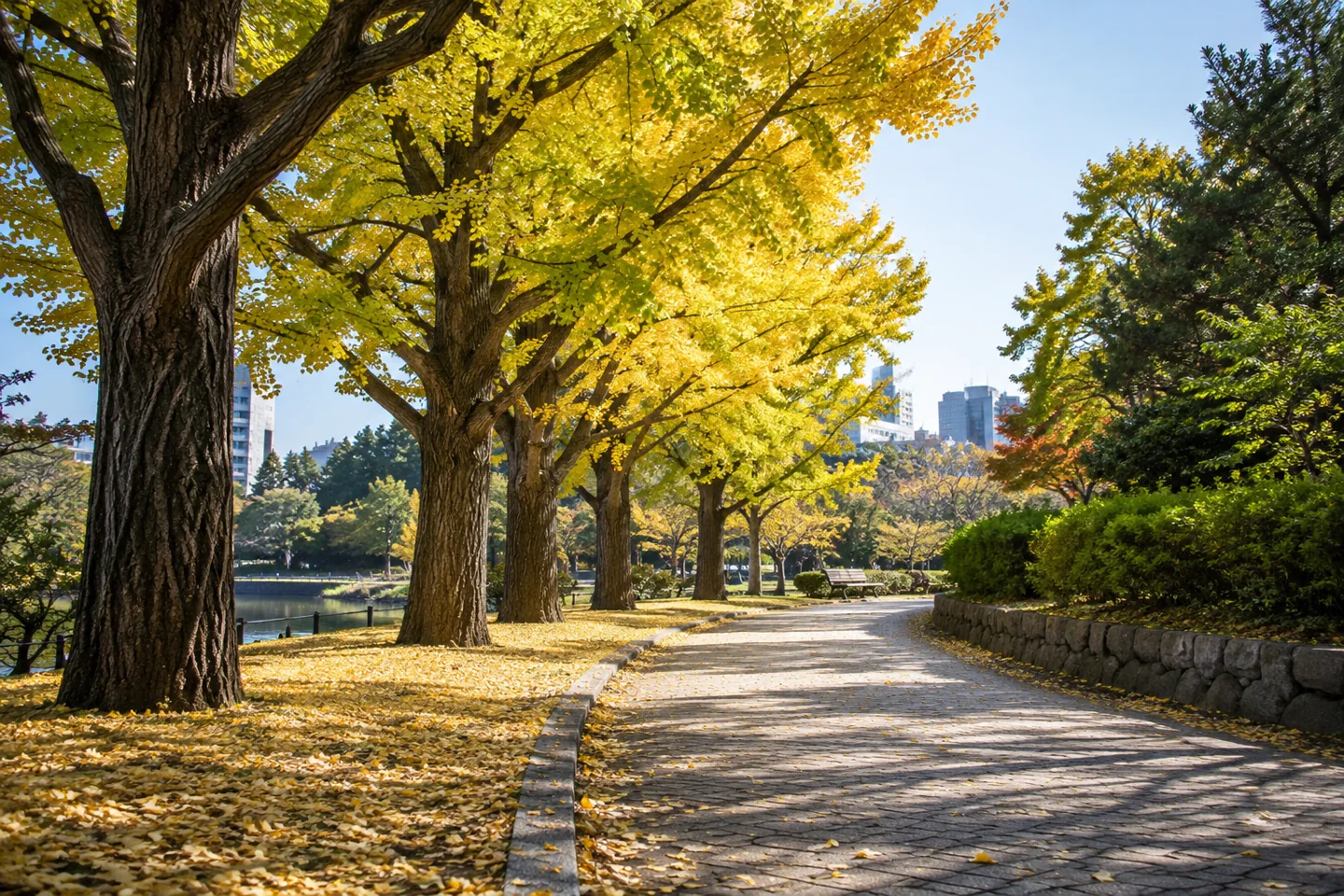
For the controlled invitations here, start with the polite ます form and replace ます with ませんか. 行きます, ikimasu, becomes 行きませんか, ikimasen ka. Our first question is 明日、いっしょに公園に行きませんか。Ashita, issho ni kōen ni ikimasen ka: “Would you like to go to the park together tomorrow?” The context makes this a proposed shared outing.
いっしょに, issho ni, means “together.” It makes the shared activity explicit in our model. 明日, ashita, means “tomorrow”; do not insert に after it in this example. The park is followed by に as the destination. These are different jobs, even though a beginner may hear only a string of small connecting sounds. Read the whole question once, then point to the activity and the time.
The Japan Foundation’s Marugoto note presents this invitation pattern with responses. Remember that context matters: a negative question is not automatically an invitation in every conversation. Our supplied scenes establish a shared activity. Do not decide the sentence’s purpose from the last syllables while ignoring who is speaking and what they want to do.
Four activities, the same small replacement
Keep a compact form list beside your first attempt. 行きます → 行きませんか → 行きましょう, ikimasu → ikimasen ka → ikimashō. 見ます → 見ませんか → 見ましょう, mimasu → mimasen ka → mimashō. 勉強します → 勉強しませんか → 勉強しましょう, benkyō shimasu → benkyō shimasen ka → benkyō shimashō. 休みます → 休みませんか → 休みましょう, yasumimasu → yasumimasen ka → yasumimashō.
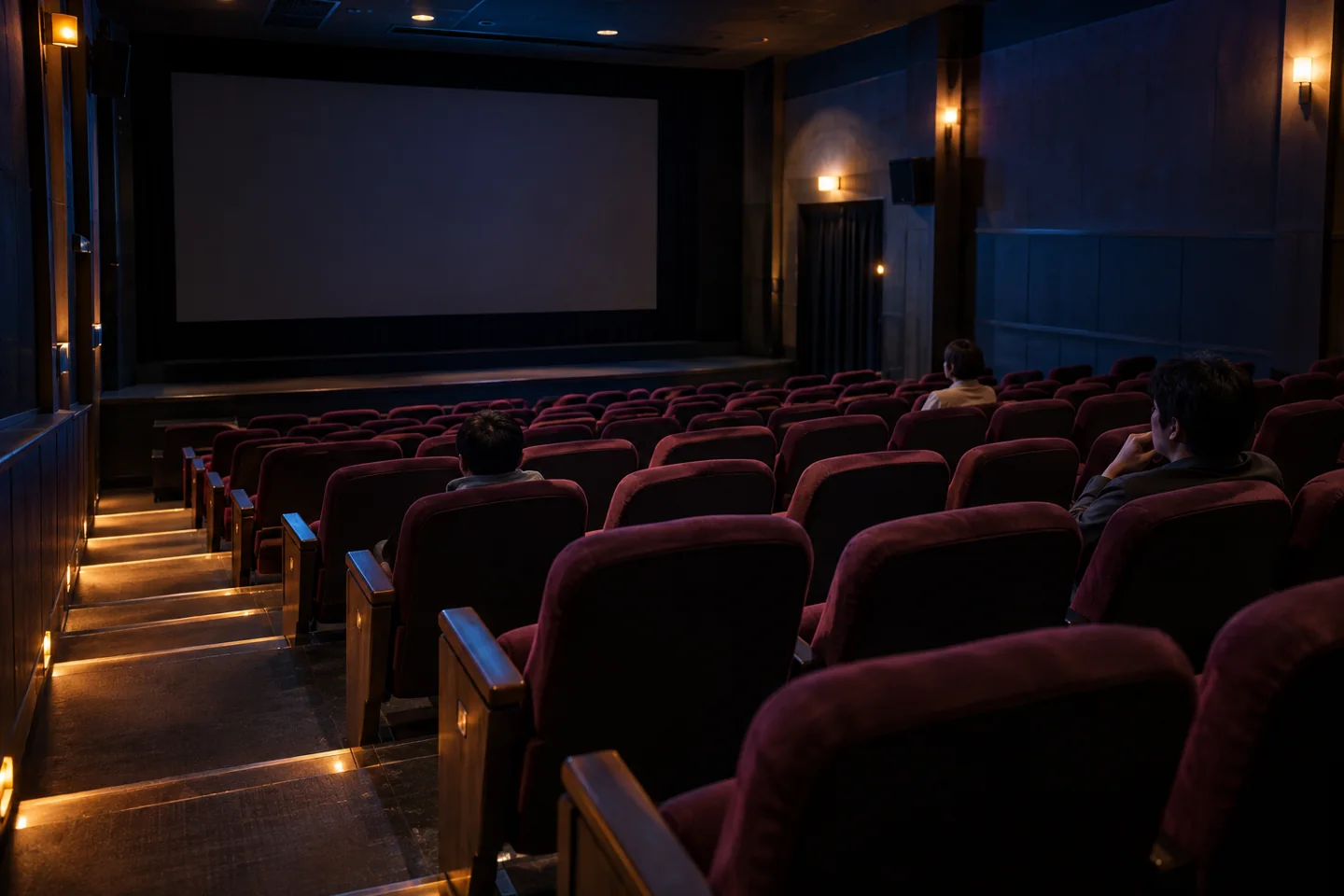
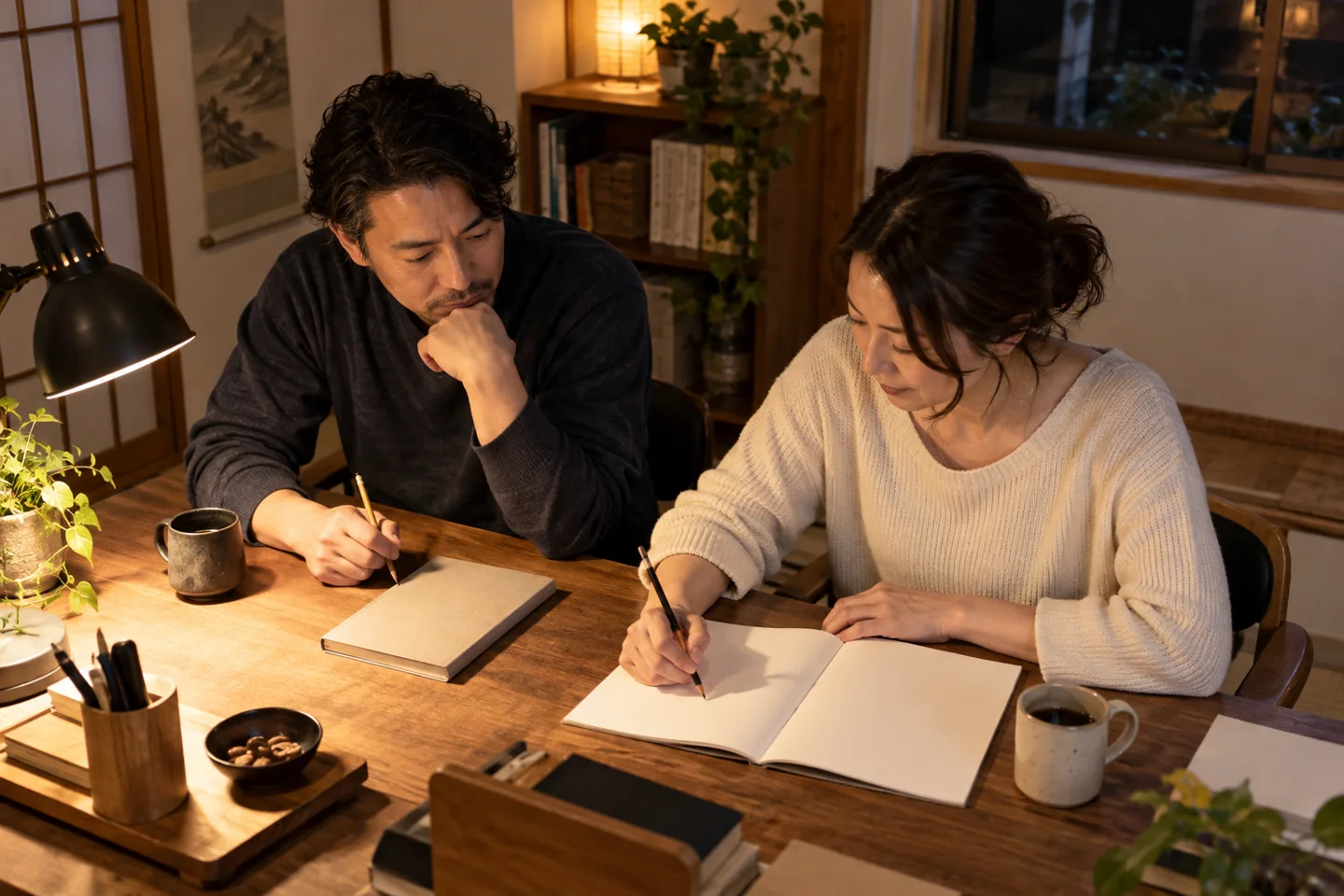
The film model is いっしょに映画を見ませんか。Issho ni eiga o mimasen ka: “Would you like to watch a film together?” For studying use いっしょに勉強しませんか。Issho ni benkyō shimasen ka: “Would you like to study together?” A proposed break can be 少し休みませんか。Sukoshi yasumimasen ka: “Shall we rest a little?” The current shared setting supplies who would rest.
Compare each attempt with its own starting form. If you wrote a stem from another verb, changing the ending again will not fix the action. Underline only the portion that stays and circle the replacement. This exercise deliberately begins with known ます forms; it does not ask you to guess a stem directly from an unfamiliar dictionary form. Our verb conjugation guide covers that larger system when you are ready to widen the task.
Accepting can move the exchange forward
For an explicitly positive reply to the park question, use いいですね。行きましょう。Ii desu ne. Ikimashō: “That sounds good. Let’s go.” The second line joins the proposed action. For a film, the matching reply is いいですね。見ましょう。Ii desu ne. Mimashō. Keep the response connected to the activity actually offered; a fluent answer about going somewhere may still miss an invitation to watch something already available.
In our practice sequence, use ませんか to offer the choice and ましょう in the accepting response. This sequence helps you hear two different turns. It is not a universal rule that ましょう can appear only after someone has already said yes. The Tokyo University of Foreign Studies explanation describes broader uses, including a direct shared-action proposal. We focus on one manageable exchange without erasing those other uses.
After the supplied acceptance, update your response box to “activity accepted.” Do not automatically add a precise meeting place or time if none has been given. Agreement to see a film is not the same as booking a particular screening. Practise identifying exactly what has been agreed before you start a separate discussion of practical details. This keeps language comprehension distinct from filling gaps with a plausible story.
An unavailable day does not need a debate
One contextual reply to an invitation for Saturday is 土曜日はちょっと…。すみません。Doyōbi wa chotto… Sumimasen: “Saturday is a bit difficult… Sorry.” Here the day is the obstacle expressed in an unfinished phrase. You can recognise that this response does not accept the Saturday plan without pretending you know the listener’s private reason. A refusal need not provide enough information to explain somebody’s entire schedule.
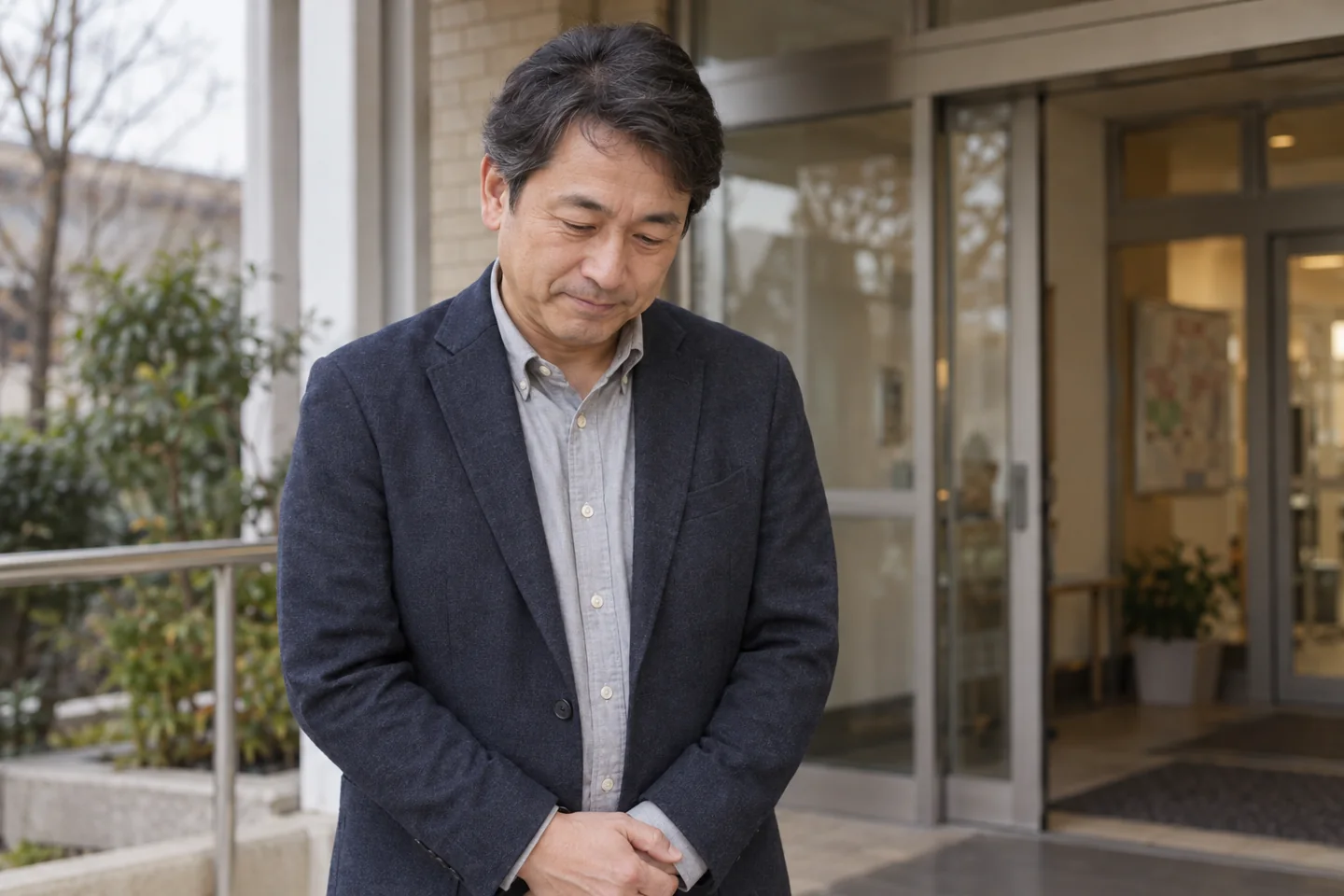
ちょっと, chotto, has other uses, so avoid turning it into a code that always means no. In the supplied invitation exchange, the repeated day, hesitation and apology support the unavailable-day reading. Outside that context, examine the whole message. Likewise, a smiling photograph cannot supply an acceptance, and a thoughtful face cannot prove refusal. Our images are prompts for possible conversations rather than records of an actual decision.
For this exercise, stop advancing the plan when the day is declined. Do not practise answering by insisting, replacing the date immediately or inventing a reason for the other person. Write “Saturday not accepted” in the box. If another arrangement is later proposed, it is a new choice requiring its own response. The aim is to understand the current turn before deciding whether anything follows.
Six situations: form, response or missing information?
Cover the answers below. Situation one: you want to invite a classmate to study together. The starting verb is 勉強します. Write a polite question with いっしょに. Situation two: you accept a film invitation. Complete いいですね。___ with the matching ましょう form. Do not add a location or screening time that the prompt has not supplied.
Situation three: turn 休みます into the invitation for a short shared rest, using 少し. Situation four: an invitation proposes Saturday, and the reply is 土曜日はちょっと…。すみません。Has the plan been accepted? Explain in your own language, keeping the private reason unknown. Situation five: you invited someone to the park but have received no answer. Can your notebook say “we agreed to go”?
Situation six: the draft for “Would you like to watch a film together?” reads いっしょに映画を見ますませんか. Identify the specific form repair. Do not change the activity to make the sentence easier. For each answer, record whether you checked an ending, the meaning of a reply or the absence of information. These are separate skills; one correct conjugation does not answer every question about the exchange.
Answers that keep the conversation state visible
One: いっしょに勉強しませんか。Issho ni benkyō shimasen ka. Replace ます in 勉強します; keep し as part of the stem. Two: いいですね。見ましょう。Ii desu ne. Mimashō. You are accepting the offered film activity. Three: 少し休みませんか。Sukoshi yasumimasen ka. The invitation uses the same replacement procedure with 休みます.
Four: no, the supplied Saturday arrangement has not been accepted. The contextual reply indicates difficulty with that day; it does not tell you why. Five: no. An unanswered invitation remains unanswered, even if the two people usually go to the park together. Six: write いっしょに映画を見ませんか。Issho ni eiga o mimasen ka. Replace ます rather than keeping it and attaching another ending.
Now inspect your explanations. If you chose the correct reply but could not retrieve mimashō, mark a form problem. If you produced a perfect question but assumed it guaranteed attendance, mark an interpretation problem. If you selected the wrong activity, check the noun and verb together. This breakdown gives the next attempt a useful target instead of asking you to reread every paragraph without knowing what you need.
Leave one invitation unfinished on purpose
Make two fresh paper slips using the same checked activity. On one, write an invitation with an explicit positive response. On the other, write only the invitation. Shuffle them and describe the state of each plan before reading the Japanese aloud. This little contrast tests whether you are responding to information or finishing a familiar story from memory. Add the unavailable-day reply only after that distinction is clear.
Use our Japanese practice guide if you need to reduce the task further: choose an ending, match a reply or produce one complete line. Finish by writing one invitation and labelling its response honestly as accepted, unavailable on the stated day or not supplied. At the next session, change one activity while keeping the response task. A useful next step is a clearer decision, not a longer list of imagined plans.
Questions about the method
Does masen ka always mean an invitation?
No. Context determines the purpose of a negative question. Our scenes explicitly propose a shared activity. Check the participants and the surrounding exchange before treating another sentence with the same ending as an invitation.
Can mashō be used to propose something directly?
Yes. Its uses extend beyond accepting a prior invitation. Here the question-and-acceptance sequence is a practice choice, not a restriction on all Japanese conversation. Use the linked university explanation when comparing the broader uses.
Do I need to explain why I cannot join?
The supplied unavailable-day response does not give a private reason, and our task does not require you to invent one. Recognise what was declined. Real situations may need further practical communication, but a language exercise should not assume acceptance or a new commitment.